High Fiber Foods: The Best Sources to Support Digestive Health
Your gut deserves better: the best high fiber foods for digestive health
A practical, no-fluff guide to the top fiber sources that keep your digestive system running like a champion.
Build a fiber-rich routine that actually works
Discover the fiber-packed foods your gut has been waiting for, then explore how Poop Like a Champion makes hitting your daily goal a little easier.
What fiber actually does inside your body
Fiber is a type of carbohydrate found exclusively in plant foods, and unlike most carbohydrates, your body cannot break it down. It passes through your digestive system largely intact, and that is exactly the point. As it travels, fiber sweeps the intestinal walls, promotes complete bowel movements, and feeds the community of bacteria living in your colon. Fiber keeps the digestive system clean and healthy in a way that no other nutrient quite replicates. Most people think of fiber as a constipation fix, and it is, but that undersells it. A high-fiber diet is also linked to lower risks of heart disease, type 2 diabetes, and certain digestive-system cancers, including colorectal cancer. The foundation of all those benefits is the same: a digestive tract that moves efficiently and a gut microbiome that is well-fed.
Soluble vs insoluble fiber: a simple breakdown
Not all fiber works the same way, and understanding the difference helps you build a smarter plate. Soluble fiber dissolves in water and gastrointestinal fluids, forming a gel-like substance that slows digestion. That slower transit time is useful: it gives your body more time to regulate blood sugar and allows soluble fiber to bind to LDL cholesterol in the gut and carry it out of the body. Good sources include oats, beans, apples, and avocados. Insoluble fiber does the opposite. It does not dissolve in water or gastrointestinal fluids and remains largely unchanged as it moves through your digestive tract, adding bulk to stool and speeding transit through the colon. Whole grains, broccoli, and nuts are rich in insoluble fiber. Most plant foods contain both types in varying ratios, which is why eating a wide variety of fiber sources is more effective than fixating on a single food.
The best high fiber foods, organized by category
Legumes are the heaviest hitters. Cooked lentils deliver around 15 grams of fiber per cup, and black beans are close behind, making them one of the most efficient ways to close the gap between what most people eat and what their bodies need. Green peas offer about 6.5 grams per cup. Among vegetables, broccoli, Brussels sprouts, artichokes, and carrots are standouts. Fruits earn their place too: raspberries and avocados are particularly fiber-dense, and a single kiwi contributes more than most people expect. Whole grains like oats (about 2.9 grams per half cup, uncooked), bulgur, and dark rye round out the list. Finally, seeds and nuts, especially chia seeds and almonds, pack meaningful fiber into small portions, making them easy to add to yogurt, smoothies, or oatmeal without overhauling your entire diet. If you are also considering a supplement to fill gaps, the guide on the best fiber supplements for constipation and regularity is worth a read.
How much fiber you actually need each day
The numbers are straightforward, but the gap between recommendation and reality is striking. Women aged 50 or younger need 25 grams of fiber daily; men in the same age group need 38 grams. After 50, those targets drop slightly to 21 grams for women and 30 grams for men. The uncomfortable truth: only about 5% of Americans meet their daily fiber goal, and the average intake sits around 16 grams per day. Closing that gap does not require a dramatic diet overhaul. Swapping refined grains for whole grains, adding a handful of legumes to one meal, and keeping fruit on the counter instead of processed snacks can meaningfully shift your daily total. The key is building the habit gradually. Jumping from 16 grams to 38 grams overnight is a recipe for bloating and discomfort, so increase your intake over several weeks and drink plenty of water throughout.
Putting it all together for long-term digestive health
A fiber-rich diet works best as a sustained habit, not a short-term fix. The gut microbiome responds to what you feed it consistently. When fiber reaches the colon, bacteria ferment it and produce short-chain fatty acids that nourish colon cells and reduce gut inflammation, which is why high-fiber diets are associated with improvements in conditions like irritable bowel syndrome and ulcerative colitis. Practically, variety matters more than perfection. Rotating your fiber sources across legumes, whole grains, vegetables, fruits, and seeds exposes your gut bacteria to a broader range of compounds. On days when whole-food sources fall short, a fiber supplement or a high-fiber cereal can bridge the gap without disrupting the routine you have built. And if you are exploring gentler overnight digestive support alongside your food-first approach, it is worth understanding how senna tea fits into a regular routine before making it a nightly habit.
Only 5% of Americans hit their daily fiber target, which means most of us are one bowl of lentils away from a genuinely better day.
Benefits
Promotes regular bowel movements
Fiber bulks up stool and makes it easier to pass, directly reducing the likelihood of constipation. Both soluble and insoluble fiber contribute to this effect, which is why variety across food sources matters more than leaning on one type.
Feeds your gut microbiome
Fermentable fiber reaches the colon intact and serves as fuel for beneficial gut bacteria, which produce short-chain fatty acids that nourish colon cells. This bacterial activity is linked to reduced gut inflammation and better outcomes in conditions like IBS and ulcerative colitis.
Helps regulate blood sugar
Soluble fiber slows the rate at which carbohydrates are absorbed into the bloodstream, smoothing out blood sugar spikes after meals. This effect is particularly associated with fiber from oats, beans, and legumes, all of which are among the richest dietary sources.
Supports healthy cholesterol levels
Soluble fiber found in foods like oats, apples, and beans binds to LDL cholesterol in the gut and helps carry it out of the body before it is absorbed. Consistently lower LDL levels are associated with a reduced risk of heart disease, making fiber a meaningful part of a heart-healthy diet.
Reduces long-term digestive disease risk
High-fiber diets are linked to a lower risk of colorectal cancer, diverticulitis, and other digestive-system cancers including those of the stomach, mouth, and pharynx. The protective effect appears to build over time, reinforcing fiber as a long-game investment in digestive health rather than a quick fix.
High fiber foods: the best sources to support digestive health, answered
How much fiber do I need per day?
The recommended daily intake depends on age and sex. Women aged 50 or younger need 25 grams; men in the same group need 38 grams. After 50, the targets are 21 grams for women and 30 grams for men. Most Americans currently average around 16 grams per day, well below any of these thresholds.
Can you eat too much fiber?
Yes, and the most common symptoms are bloating, gas, and cramping. Adding fiber too quickly is the usual culprit, not a high-fiber diet in itself. Increasing your intake gradually over several weeks, and drinking plenty of water alongside, gives your digestive system time to adapt without the discomfort.
Why does fiber cause bloating, and how do I avoid it?
Bloating happens because gut bacteria ferment fiber, producing gas as a byproduct. The more abrupt the increase in fiber intake, the more pronounced the gas and bloating tend to be. A gradual ramp-up over two to four weeks, paired with consistent hydration, allows your microbiome to adjust and significantly reduces these side effects.
Do fiber supplements count toward my daily goal?
They do count, and they can be a practical way to fill gaps on days when whole-food sources fall short. That said, whole foods deliver fiber alongside vitamins, minerals, and phytonutrients that supplements do not replicate. Supplements work best as a complement to a varied diet, not a replacement for it. For a detailed comparison of supplement types, see the guide on fiber supplements for constipation and regularity.
What is the best type of fiber specifically for constipation?
Insoluble fiber is the primary driver of relief from constipation because it adds bulk to stool and speeds transit through the colon. Psyllium husk is a notable exception: it is soluble but forms a gel that also effectively bulks stool, making it one of the most studied and widely recommended options for constipation specifically. Foods like whole wheat, broccoli, and nuts are strong insoluble fiber sources to build into your daily meals.
What are the easiest high-fiber foods to add to an existing diet?
Legumes are the most efficient swap: adding half a cup of lentils or black beans to a soup, salad, or grain bowl adds several grams of fiber with minimal effort. Chia seeds and ground flaxseed are similarly easy to stir into yogurt, oatmeal, or smoothies without changing the flavor of a meal. Swapping refined grains for whole grains, such as choosing oats over instant refined cereals, is another low-friction change that compounds quickly over a week.
Ready to close the fiber gap starting today
Understanding which foods deliver the most fiber is the first step; building a consistent daily habit is where the real difference happens. Poop Like a Champion's lineup of high-fiber cereals, gummies, and teas is designed to make hitting your daily target easier, tastier, and honestly a lot more fun. Browse the range and find the format that fits your routine.


High-Fiber Wonders to Get Your Gut Going

 Cinnamon Toast Ultra Fiber Cereal
Regular priceUnit price per$61.00Sale price $28.00+
 Original Ultra Fiber Cereal
Regular priceUnit price per$61.00Sale price $31.00+


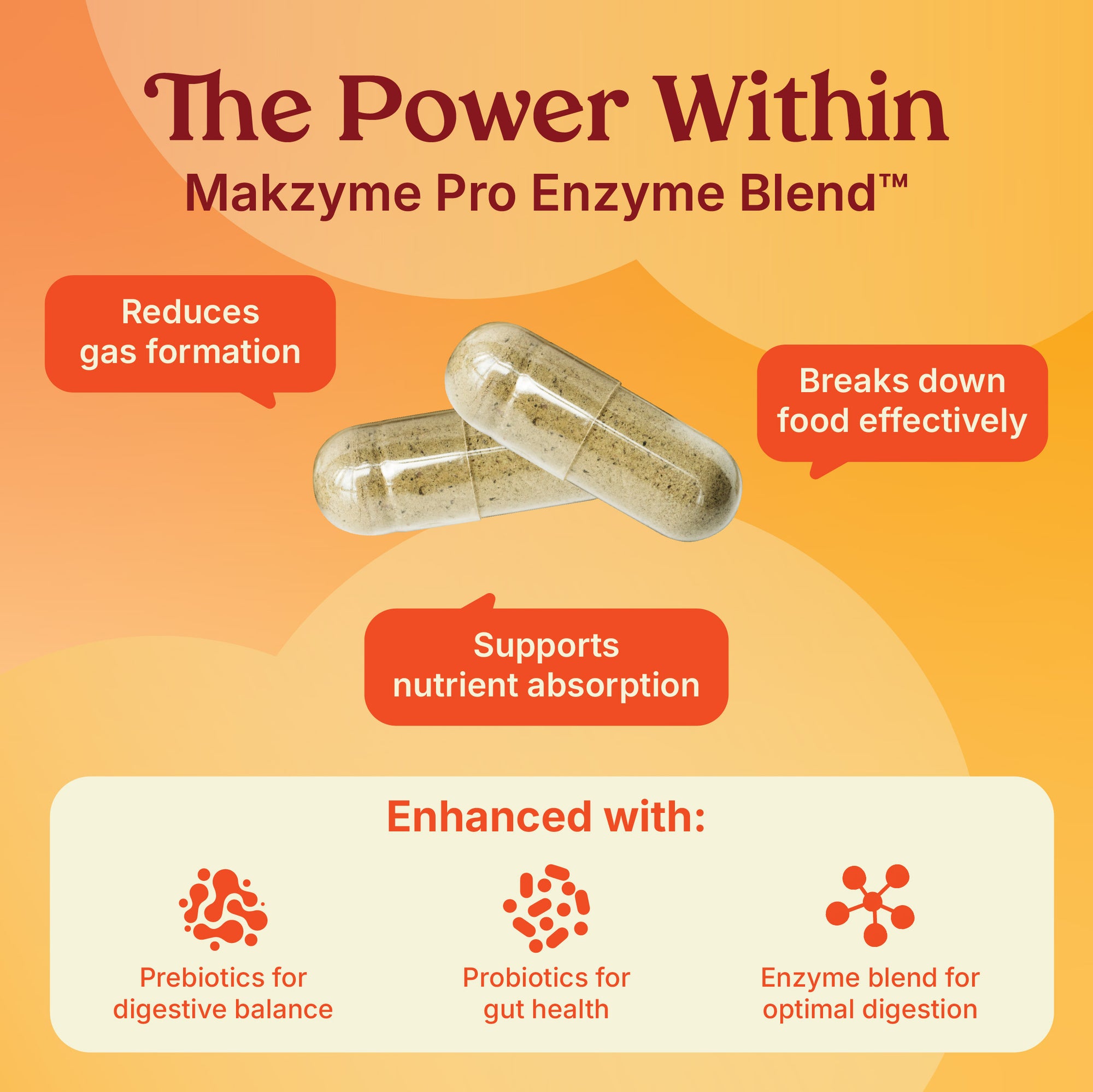 Debloat Me - Digestive Enzyme Capsules
Regular price $29.00Unit price per