How much fiber do you need per day?
Your daily fiber target, and how to actually hit it
Most adults need 25 to 38 grams of fiber a day. Most get about half that. Here's how to close the gap.
Start closing your fiber gap today
Explore high-fiber products that fit into your day from breakfast to bedtime.
The daily fiber numbers, by age and sex
Dietary guidelines are unusually specific here, which is helpful. Women between 19 and 50 should aim for 25 grams of fiber per day; men in the same age range need 38 grams. After 50, the targets drop slightly: 21 grams for women and 30 grams for men. The FDA's shorthand is simpler: 14 grams of fiber per 1,000 calories consumed, which works out to 28 grams on a standard 2,000-calorie diet. Any of these benchmarks will serve you. Pick the one that's easiest to track, then work toward it gradually.
Why almost nobody hits the target
Here's the uncomfortable truth: only about 5% of U.S. adults get enough fiber, with the average intake sitting around 16 to 17 grams per day. That's roughly half the recommended amount. The reason is structural: fiber lives exclusively in plants. Whole grains, fruits, vegetables, legumes, and nuts are where it comes from, and modern diets tend to crowd those foods out with processed options that strip fiber away. The result is a gut that's working harder than it needs to, often with sluggish, irregular results. If your digestion feels off more days than not, a fiber shortfall is one of the most logical places to look first. For a deeper look at targeted options, the guide to fiber supplements for constipation and regularity covers the landscape well.
Soluble and insoluble fiber do different jobs
Not all fiber works the same way, and understanding the difference makes it easier to build a balanced intake. Soluble fiber dissolves in water and forms a gel-like substance in the stomach, which slows digestion. It's found in oats, apples, beans, citrus fruits, carrots, and psyllium husk. Insoluble fiber does the opposite: it doesn't dissolve, and instead adds bulk to stool and helps material move through the digestive tract. This is the type most directly linked to relieving constipation and keeping things moving. Dietary guidelines recommend a combination of both, which is one reason variety in your plant food choices matters more than fixating on any single source. Psyllium husk, the main fiber in our Ultra Fiber Cereal, is notably high in soluble fiber and is one of the more well-studied fiber sources available.
Practical ways to close the gap across a day
The most important rule: go gradually. Adding a large amount of fiber all at once can cause bloating and discomfort, so build up over a week or two and drink plenty of water throughout. Breakfast is the highest-leverage moment. A high-fiber cereal with 20% or more of the daily value for fiber on the nutrition label can contribute a significant portion of your target before 9 a.m. A half-cup of cooked beans at lunch adds 5 to 8 grams more. Whole grains at dinner contribute another 3 to 8 grams per cup cooked. On days when meals fall short, a fiber gummy or supplement can fill the gap without a full meal overhaul. For nights when digestion needs a little extra nudge, it's worth knowing whether senna tea is safe to use regularly before making it a nightly habit.
The average American eats about 16 grams of fiber a day - roughly half what their body actually needs to stay regular.
Benefits
More regular, predictable digestion
Insoluble fiber adds bulk to stool and supports consistent movement through the digestive tract. Getting closer to your daily target is one of the most straightforward dietary changes you can make for regularity.
A better-fed gut microbiome
The beneficial bacteria in your gut rely on fiber as a primary fuel source. Feeding them consistently with a variety of plant fibers supports a more diverse and resilient gut environment, which matters well beyond digestion.
Feeling lighter and less sluggish
When digestion moves at a healthy pace, the heavy, bloated feeling that comes with sluggishness tends to ease. Consistent fiber intake helps keep things moving so you're not carrying yesterday's meals into tomorrow.
Staying satisfied between meals
Soluble fiber slows the rate at which food leaves the stomach, which means you feel full for longer after eating. That natural satiety effect makes it easier to eat well throughout the day without constant snacking.
How much fiber do you need per day? Your questions answered
How much fiber do you need per day if you're over 50?
The targets shift slightly with age. Women over 50 need 21 grams per day; men over 50 need 30 grams. These figures are lower than the under-50 recommendations, but the gap between what's recommended and what most people actually eat remains just as wide.
Can you eat too much fiber?
Yes, and it's more common than people expect when someone decides to overhaul their diet all at once. Adding too much fiber too quickly can cause bloating, gas, and even constipation as the digestive system adjusts. The fix is simple: increase your intake gradually over one to two weeks and drink more water alongside it.
Does fiber cause bloating?
It can, especially at first or when you increase intake too fast. Soluble fiber in particular ferments in the gut, which produces gas as a byproduct. Starting with smaller amounts and building up slowly gives your digestive system time to adapt, and most people find that any initial bloating settles down within a week or two.
Are fiber gummies as effective as getting fiber from food?
Whole food sources of fiber come packaged with vitamins, minerals, and other plant compounds that a gummy can't replicate. That said, a fiber gummy is a genuinely useful tool for closing a gap on days when meals fall short, especially if it contains a meaningful amount of fiber per serving. Think of it as a complement to a fiber-rich diet, not a full replacement for one.
When should you see a doctor about digestive issues?
Occasional irregularity is common and often responds well to dietary changes. But if you're experiencing persistent constipation, significant changes in bowel habits, pain, or blood in your stool, those are signs to speak with a doctor rather than trying to manage things on your own. Fiber is a helpful tool, not a substitute for medical evaluation when something feels seriously wrong.
Most adults are half a day short on fiber. Let's fix that.
Most adults are running at half their fiber target every single day, and the fix is more doable than it sounds. Start with breakfast, add plants where you can, and let a gummy or supplement cover the gaps. Browse the Poop Like a Champion lineup to find the options that fit your routine.


High-Fiber Wonders to Get Your Gut Going

 Cinnamon Toast Ultra Fiber Cereal
Regular priceUnit price per$61.00Sale price $28.00+
 Original Ultra Fiber Cereal
Regular priceUnit price per$61.00Sale price $31.00+


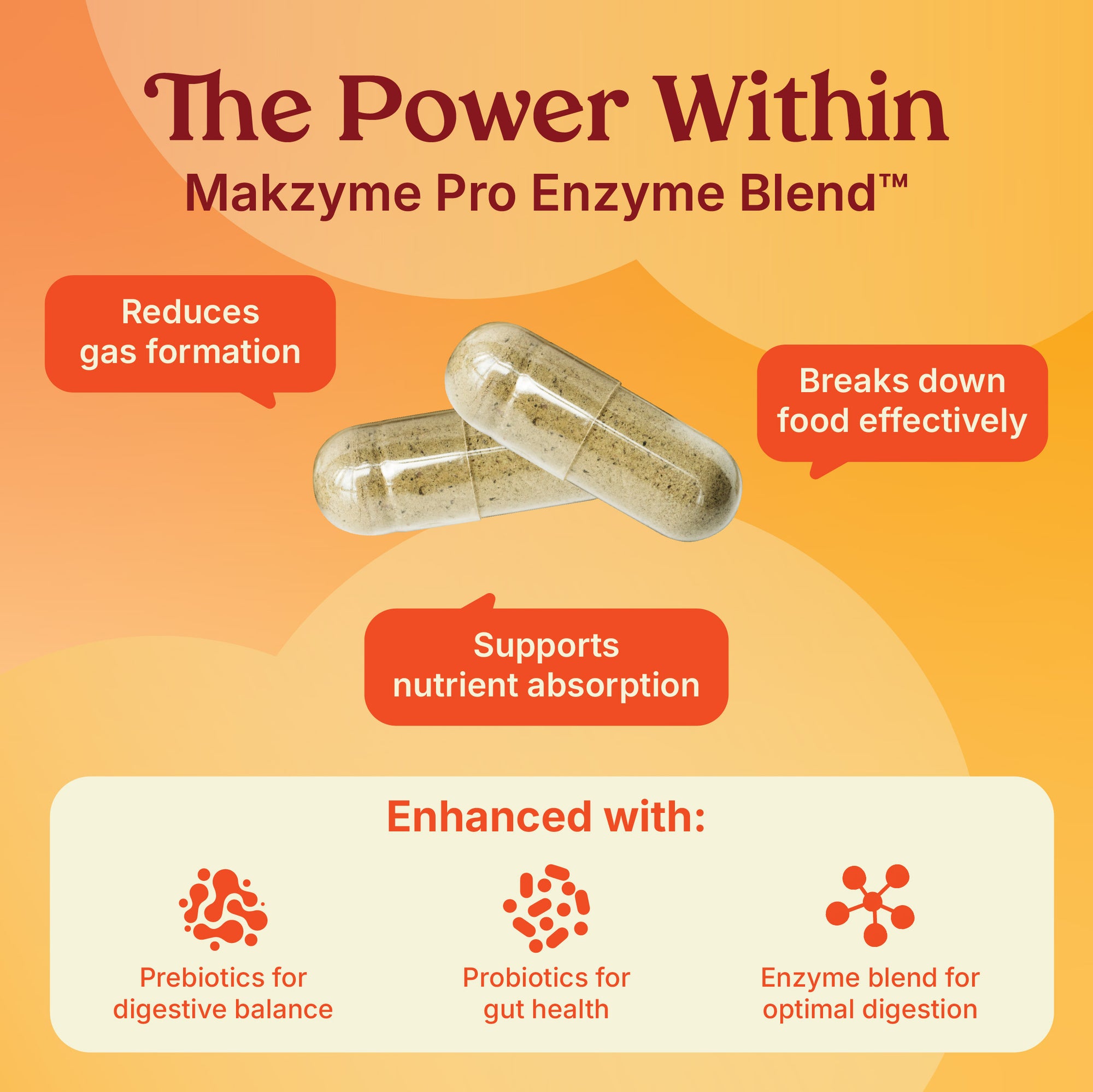 Debloat Me - Digestive Enzyme Capsules
Regular price $29.00Unit price per