Best Fiber Supplements for Constipation and Regularity: Psyllium, Methylcellulose, Inulin, and More
Which fiber supplement actually works for constipation?
An evidence-based comparison of psyllium, methylcellulose, inulin, and PHGG so you can pick the right one for your gut.
Find the fiber supplement that works for you
Discover which fiber type the research actually backs and find the option that fits your daily routine.
Why the type of fiber matters, not just the amount
Not all fiber supplements are created equal, and reaching for whichever powder is on sale may not solve your problem. Fiber broadly splits into soluble and insoluble types, and within those categories, individual fibers behave very differently in your gut. Some absorb water and form a gel that softens stool. Others pass through largely intact, adding bulk. Still others are fermented by gut bacteria, which is great for the microbiome but can mean serious gas for some people. The research on constipation relief is not evenly distributed across these types either. Some fiber supplements have strong clinical evidence behind them; others have almost none. Understanding the difference helps you make a choice that actually moves things along.
Psyllium husk: the most evidence-backed option
Psyllium is a soluble fiber derived from the husks of Plantago ovata seeds. It absorbs water and forms a gel-like mixture in the gut, which softens stool, increases stool frequency, and reduces straining. The clinical evidence is the strongest of any fiber supplement: a 2022 meta-analysis of 16 trials found psyllium had a significant effect on constipation relief, mostly at doses above 10 g per day for at least 4 weeks, with a relative risk of 1.82 (95% CI: 1.51 to 2.20). British Dietetic Association guidelines give it a strong recommendation. Beyond constipation, psyllium has also demonstrated benefits for cholesterol, blood sugar, and blood pressure, making it one of the more versatile fiber options available. The main side effect is bloating when you first start, which settles for most people as the gut adjusts. Always take it with at least 8 ounces (237 mL) of water; fiber without enough liquid can swell and block the esophagus.
Methylcellulose and inulin: a more complicated picture
Methylcellulose is a manufactured soluble fiber used as a bulk-forming laxative. It is not fermented by gut bacteria, which makes it a lower-gas option for people who are sensitive to fermentation. However, the research base is thin: guidelines found no qualifying clinical trials of methylcellulose for constipation, so its effectiveness is largely inferred from its mechanism rather than demonstrated in controlled studies. It remains a reasonable choice for people who cannot tolerate fermentable fibers, but the evidence simply is not there yet.
Inulin is a fermentable prebiotic fiber found naturally in foods like chicory root, garlic, and onions. It feeds beneficial gut bacteria and can soften stool consistency, but inulin-type fructan supplements do not appear to improve stool frequency in constipation, and the guideline evidence for it is rated as very uncertain. Gas is the main trade-off: because inulin is fermented, it produces more gas than any other fiber supplement type, which can be uncomfortable, especially at higher doses.
PHGG: the low-gas soluble fiber worth knowing about
Partially hydrolyzed guar gum (PHGG) is a soluble fiber derived from guar beans that has been broken down into shorter chains, making it easier to dissolve and gentler on the gut than its parent fiber. Because it is only partially fermented, it tends to produce less gas than inulin while still supporting stool consistency and regularity. PHGG dissolves completely in water and is essentially tasteless and odorless, which makes it easy to mix into food or drinks without changing the flavor. It is particularly useful for people who want a fermentable prebiotic benefit without the gas that comes with inulin. Research on PHGG is growing but still smaller in volume than the psyllium evidence base, so it is best thought of as a well-tolerated alternative for people who find psyllium difficult to use rather than a first-line replacement.
How to choose, dose, and build the habit
Start with psyllium if you have no specific contraindications: it has the strongest evidence, is widely available, and works at a practical daily dose of more than 10 g. If gas is a persistent problem, methylcellulose or PHGG are sensible alternatives. If you are primarily interested in microbiome support alongside mild stool softening, inulin can play a supporting role, just keep expectations realistic on constipation relief.
Regardless of which fiber you choose, introduce it gradually over one to two weeks to let your gut adapt and minimize bloating. Drink plenty of water throughout the day; fiber needs fluid to do its job. Consistency matters more than the specific product: a fiber you take every day will outperform the theoretically superior one you abandon after a week. If symptoms are severe or persist despite dietary changes, a conversation with a healthcare provider is the right next step.
The best fiber supplement is the one you will actually take every single day, with a full glass of water.
Benefits
Psyllium has the strongest evidence
Among all fiber supplement types, psyllium has the most robust clinical backing, with a 2022 meta-analysis of 16 trials showing a significant effect on constipation relief at doses above 10 g per day. No other fiber type comes close in terms of the volume and quality of supporting research.
Food-format fiber is easier to sustain daily
Getting fiber from a cereal, gummy, or food you actually enjoy eating removes the friction of remembering a separate supplement. Habit consistency is the single biggest predictor of results, and a format that fits naturally into breakfast or a snack routine is far easier to maintain than a standalone powder.
Higher fiber per serving reduces the guesswork
A product that delivers a meaningful dose of fiber per serving, rather than a token 1 to 2 g, means you are more likely to hit the threshold where research shows effects: above 10 g of psyllium per day. Checking the label for actual fiber content per serving is the single most important thing to do before buying.
Knowing your fiber type prevents side effects
Choosing a fiber that matches your gut's tolerance, soluble and low-fermentation if you are gas-sensitive, prebiotic and fermentable if microbiome support is the goal, means you are far less likely to quit after a rough first week. The right type for your situation is more important than brand or price.
Gradual introduction protects against bloating
Starting at a low dose and building up over one to two weeks is the single most effective way to avoid the bloating that causes most people to abandon fiber supplements. The gut adapts to increased fiber, but it needs time, and skipping the ramp-up phase is the most common reason people conclude that fiber supplements do not work for them.
Four situations where the right fiber choice makes all the difference
The occasional constipation sufferer wanting gentle relief
Someone who deals with constipation a few times a month, often after travel, stress, or a run of low-fiber meals, wants something that works without feeling like a nuclear option. Psyllium at a dose above 10 g per day for at least a few weeks is the evidence-backed starting point here. It softens stool and increases frequency without the urgency or cramping associated with stimulant laxatives. Adding a soothing evening tea with gentle herbal support can complement the fiber habit without disrupting the next morning.
The daily fiber gap filler who eats reasonably well
A health-conscious person who eats vegetables and whole grains but still falls short of the recommended daily fiber intake often does not need a dramatic intervention. A moderate daily dose of psyllium or PHGG mixed into a morning routine, whether stirred into yogurt, blended into a smoothie, or eaten as a high-fiber cereal, fills the gap without requiring a complete diet overhaul. Consistency over weeks matters more than the size of a single dose, and a food-format fiber source makes the habit easier to sustain than a standalone supplement.
The low-carb or keto dieter with persistent sluggishness
Cutting carbohydrates often means cutting fiber-rich grains and legumes, which can leave the gut noticeably slower. Someone on a low-carb or ketogenic diet frequently needs to actively replace that lost fiber. Psyllium husk is a popular choice here because it is very low in net carbohydrates while still delivering significant soluble fiber. PHGG is another option that dissolves easily into coffee or broth without affecting flavor or macros. Both support regularity without derailing the dietary approach.
The gas-sensitive person who gave up on fiber before
Some people have tried fiber supplements and stopped because the bloating and gas felt worse than the original constipation. This often happens when fermentable fibers like inulin are introduced too quickly or at too high a dose. Methylcellulose and PHGG are the lower-gas alternatives worth trying in this situation, because they are not fully fermented by gut bacteria. Starting at a low dose and increasing slowly over two weeks gives the gut time to adjust, and many people who abandoned fiber once find they tolerate these options much better.
Best fiber supplements for constipation: your questions answered
Which fiber supplement is best for constipation relief?
Psyllium husk has the strongest clinical evidence for constipation relief among all fiber supplement types. A 2022 meta-analysis of 16 trials found it significantly improved constipation outcomes, particularly at doses above 10 g per day sustained for at least 4 weeks. British Dietetic Association guidelines give it a strong recommendation, which no other fiber supplement currently matches.
Is psyllium better than inulin for bloating?
For most people, yes. Inulin is fully fermented by gut bacteria, which is why it produces more gas than any other common fiber supplement. Psyllium forms a gel rather than fermenting, so it tends to cause less gas, though some initial bloating is normal with any new fiber. If you are sensitive to fermentation, psyllium, methylcellulose, or PHGG are all lower-gas alternatives to inulin.
How long does it take for fiber supplements to work?
Most people notice changes in stool consistency within a few days of starting a fiber supplement, but meaningful improvements in stool frequency and regularity typically take several weeks of consistent use. The research showing psyllium's strongest effects used doses above 10 g per day for at least 4 weeks, which is a useful benchmark for giving any fiber supplement a fair trial.
Can you take too much fiber at once?
Yes. Taking too much fiber too quickly, especially without enough water, commonly causes bloating, gas, cramping, and in rare cases can even contribute to a blockage. Always take fiber supplements with at least 8 ounces (237 mL) of water and increase your dose gradually over one to two weeks rather than starting at the full amount. This is the most reliable way to avoid the side effects that make people quit.
Is it safe to take fiber supplements every day long-term?
For most healthy adults, daily fiber supplementation is considered safe and is in fact how the research demonstrates its benefits: the studies showing psyllium's effects used it consistently over weeks, not as an occasional remedy. That said, if you have a history of bowel obstruction, difficulty swallowing, or a complex digestive condition, it is worth discussing long-term fiber supplementation with a healthcare provider before starting.
Do fiber supplements replace eating high-fiber foods?
No, and they are not designed to. Whole foods deliver fiber alongside vitamins, minerals, antioxidants, and other compounds that supplements cannot replicate. Fiber supplements are most useful for filling the gap when diet alone consistently falls short, not as a substitute for vegetables, legumes, and whole grains. A high-fiber cereal or food-format supplement can bridge the gap while also contributing other nutrients, which is one reason food-format sources are often easier to sustain.
Ready to make regularity a daily habit, not a monthly crisis
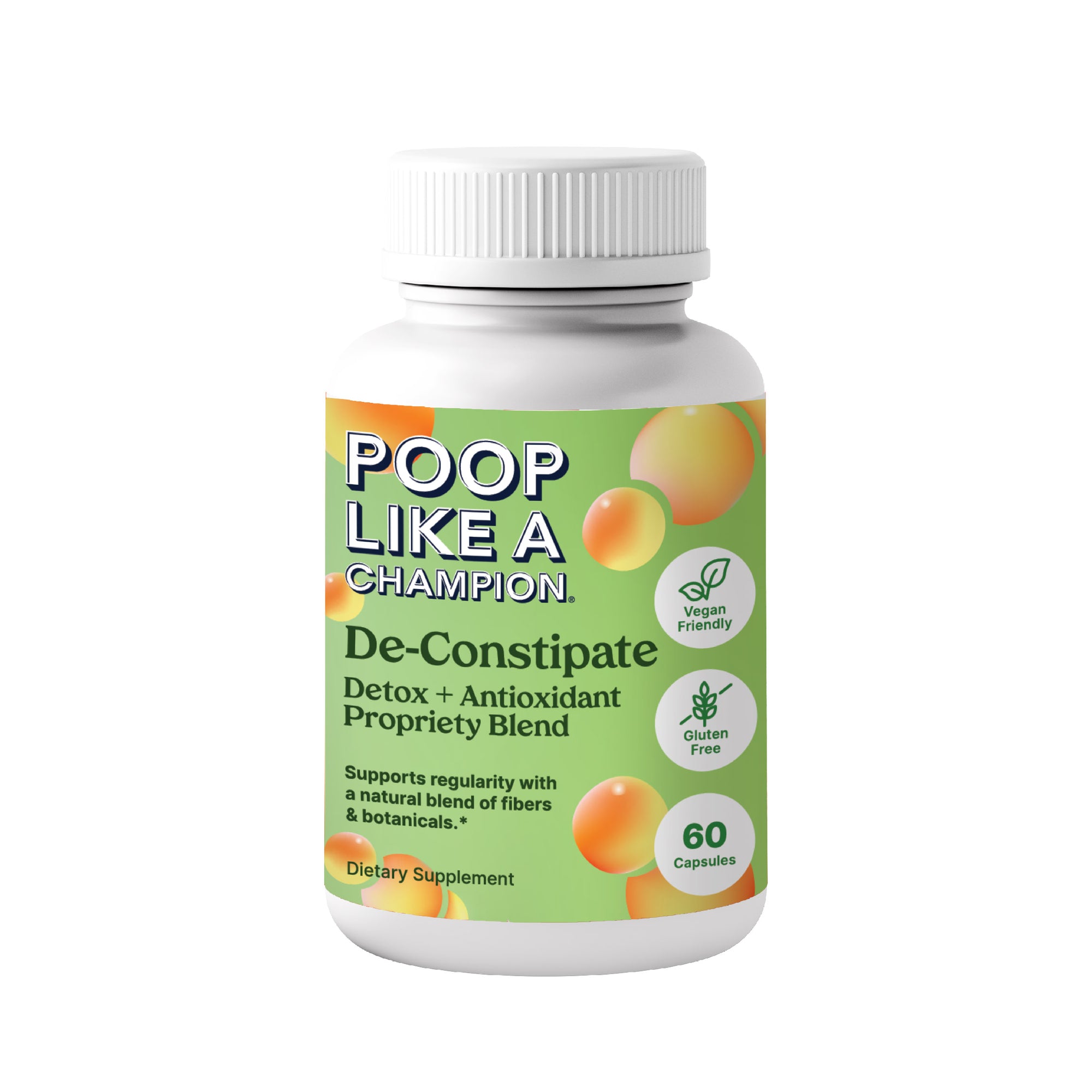
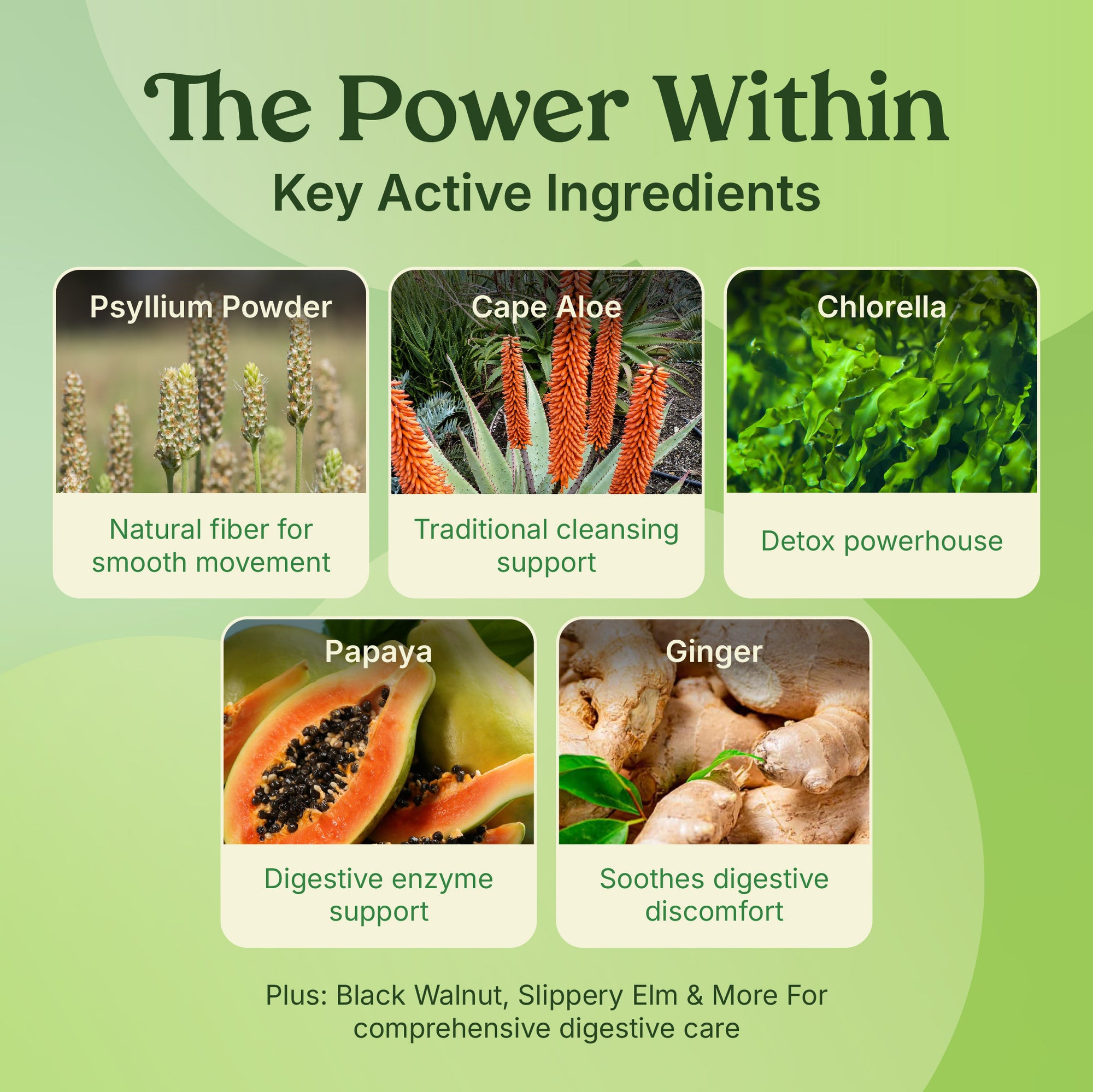
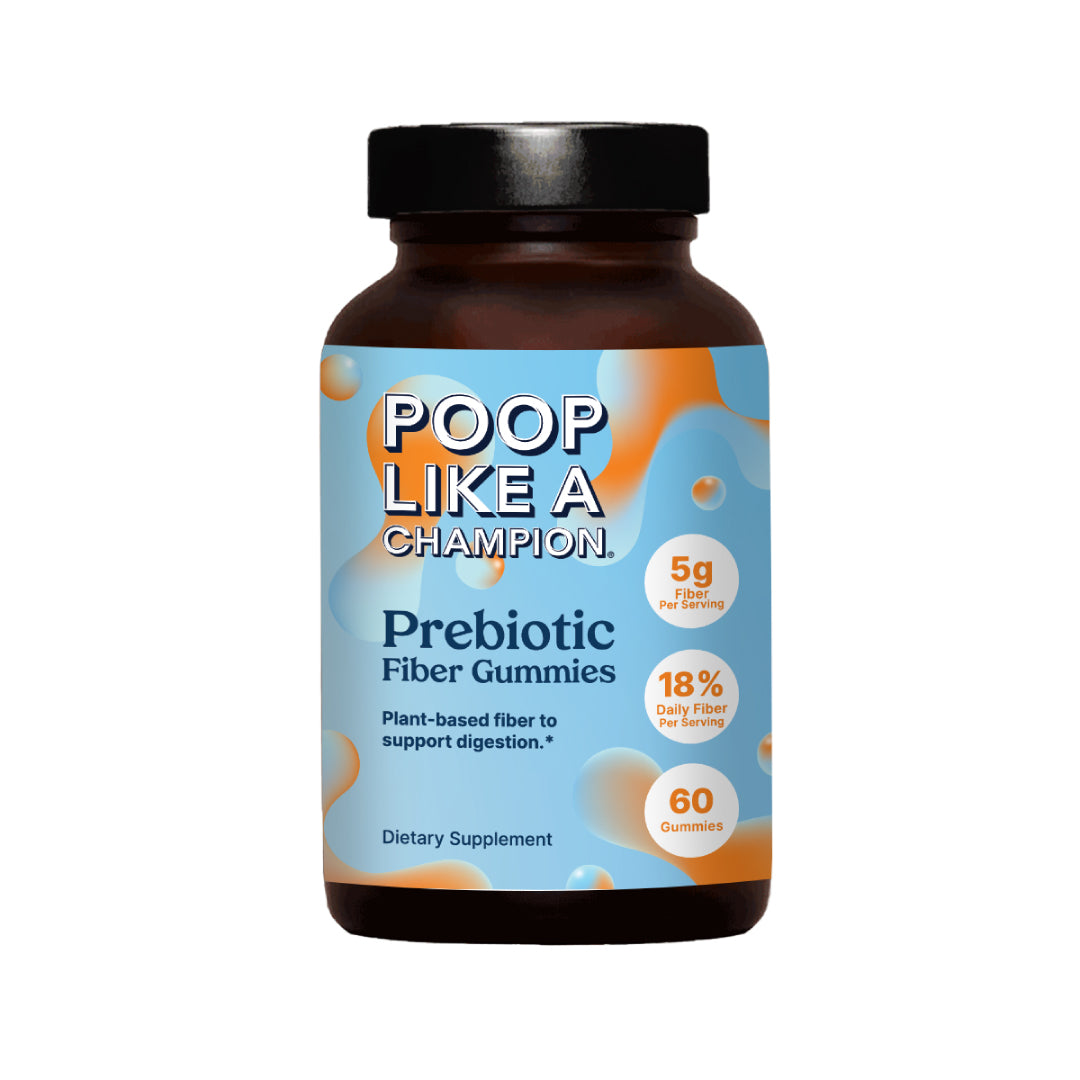
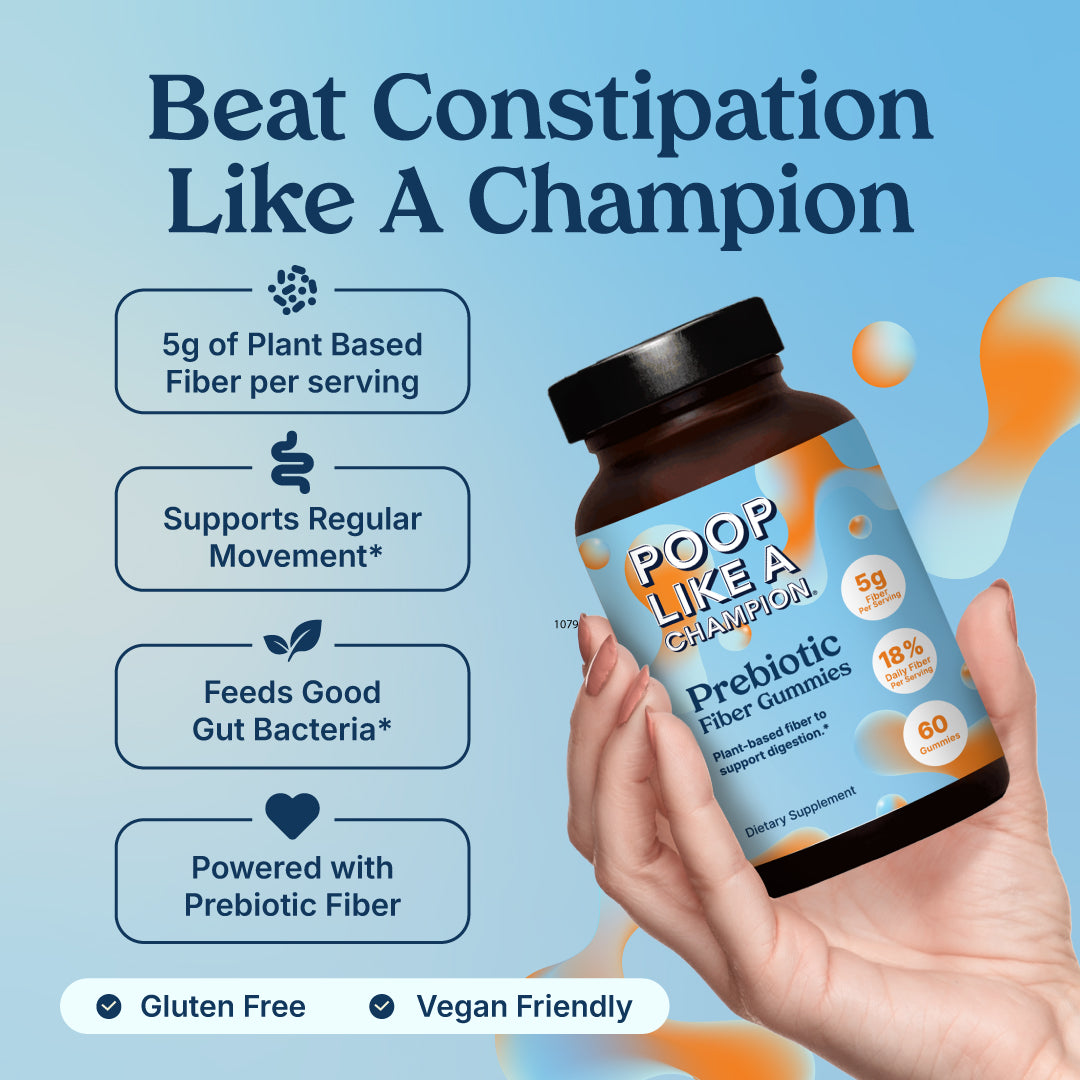
If you are ready to make fiber a daily habit rather than a last-resort fix, starting with a high-fiber food format makes it easier to stay consistent. Explore Poop Like a Champion's range of psyllium-based cereals, fiber gummies, and digestive teas to find the format that fits your routine.


High-Fiber Wonders to Get Your Gut Going

 Cinnamon Toast Ultra Fiber Cereal
Regular priceUnit price per$41.91Sale price $18.97+
 Original Ultra Fiber Cereal
Regular priceUnit price per$41.91Sale price $20.97+

 Debloat Me - Digestive Enzyme Capsules
Regular price $19.97Unit price per