Fiber supplements for Constipation
Real fiber that moves the needle, not just the marketing
A food-first supplement line built around psyllium husk, soluble fiber, and insoluble fiber, for people who are done guessing.
Find the fiber supplement that finally works for you
Explore the full lineup, from high-fiber cereal to gummies and senna tea, and find the format that fits your routine.
Why two types of fiber beat one every time
Most drugstore fiber supplements give you one thing: a single soluble fiber that swells in water and hopes for the best. The problem is that constipation is a two-part traffic jam. You need soluble fiber to soften stool and make transit smooth, and you need insoluble fiber to physically push things through. Without both working together, you're solving half the problem.
Poop Like a Champion's Ultra Fiber Cereal combines psyllium husk with a blend of soluble and insoluble fibers in a single serving. Psyllium is the most studied fiber for constipation, and research shows it is 1.82 times more likely to produce a beneficial response than placebo, with the strongest results appearing at doses above 10 grams per day for four or more weeks. One serving of the cereal delivers around 22 grams. That's not a coincidence.
The full product lineup, and when to use each one
The Ultra Fiber Cereal is the workhorse. Available in Original, Cinnamon Toast, Honey, and Cocoa, it delivers around 22 grams of fiber per serving from psyllium husk and a combination of soluble and insoluble fibers. Eat it as a bowl, sprinkle it on yogurt, or mix it into oatmeal. It fits wherever breakfast already lives.
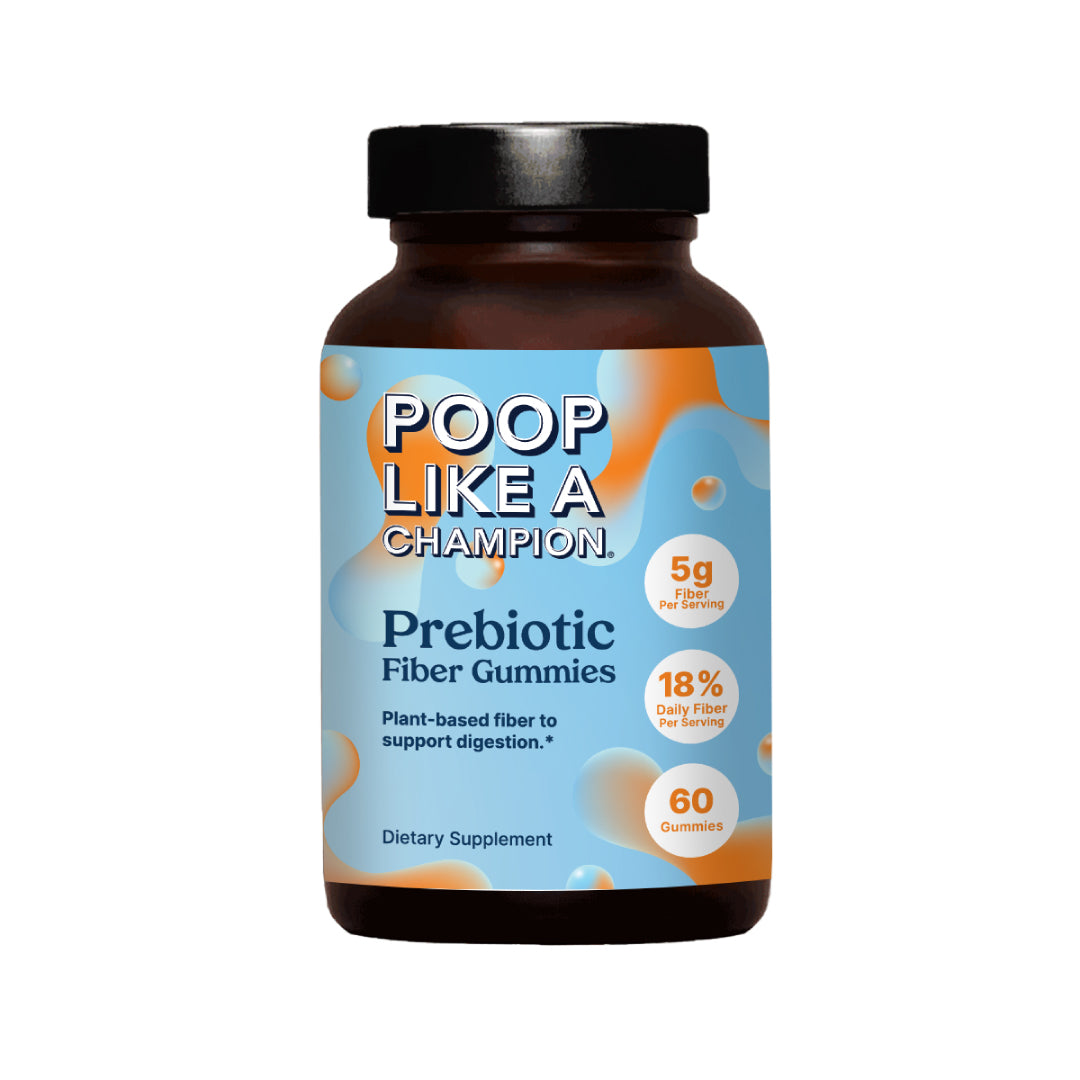
The Apple Cider Vinegar Super Fiber Gummies give you 6 grams of fiber and 1,000 mg of ACV per serving in a vegan, pectin-based formula. They travel well, taste good, and don't require a bowl or a spoon. Keep them in a bag, a desk drawer, or a gym locker.
The Super Senna Tea is the nighttime option. Brew a cup before bed for gentle overnight support. Every product is non-GMO and gluten-free, with short, transparent ingredient labels.
Fiber works, but only if you use it correctly
The most common reason fiber supplements fail isn't the product. It's the approach. Starting at full dose is the fastest way to end up bloated and frustrated, which is exactly why so many people quit. Gradual titration, starting with a smaller amount and building up over one to two weeks, dramatically reduces the gas and bloating that cause abandonment.
Hydration matters just as much. Psyllium absorbs roughly ten times its weight in water. Without adequate fluid intake, the fiber can slow things down instead of speeding them up. Drink more water than you think you need, especially in the first week.
Guidelines from the British Dietetic Association list adequate fluid intake alongside a high-fiber diet as the first-line approach to managing constipation. The cereal, gummies, and tea are tools. Consistency and water are what make them work.
The fiber that failed you before probably wasn't the wrong category. It was the wrong dose, the wrong combination, or the wrong habit built around it.
Constipation affects roughly 1 in 8 adults, and that number climbs to 1 in 3 for people over 60. If you've already tried a chalky powder or a "gentle" capsule that did nothing, you're in good company: research shows half of people dealing with constipation are unsatisfied with their current options. Poop Like a Champion was built specifically for that gap.
- Constipation affects approximately 12% of adults overall.
- Prevalence rises to 33.5% in adults aged 60 and older.
- Half of people with constipation report dissatisfaction with current treatment options.
Benefits
22 grams of fiber per serving
The Ultra Fiber Cereal delivers around 22 grams of fiber per serving, which aligns with the research-backed threshold where psyllium shows its strongest effect on stool frequency and consistency. Most drugstore supplements top out well below that.
Soluble and insoluble fiber combined
Each product is formulated with both fiber types working together: soluble fiber for smooth transit, insoluble fiber to keep things moving. This dual-fiber approach addresses the full mechanism of constipation, not just one half of it.
Non-GMO, gluten-free, transparent labels
Every product in the lineup is non-GMO and gluten-free, with short ingredient lists that don't require a chemistry degree to read. What you see on the label is what's in the box, nothing hidden, nothing padded.
Three formats for every routine
A high-fiber cereal for mornings, pectin-based gummies for on-the-go days, and a senna tea for overnight support. Whether your routine is a sit-down breakfast or a grab-and-go commute, there's a format that actually fits.
Who this actually works for
Busy parent building a family fiber routine
A parent managing meals for a household knows that getting everyone to eat more fiber is a battle nobody wins with a plain supplement capsule. The Ultra Fiber Cereal in Cinnamon Toast or Cocoa fits into a breakfast bowl that kids and adults both eat without a fight. Adding 22 grams of fiber to the morning routine without changing much else is the kind of low-effort, high-return habit that actually sticks. No separate supplement step, no chalky aftertaste, no convincing required.
On-the-go professional with an unpredictable schedule
Travel, meetings, and irregular meal times are a reliable recipe for irregularity. The Apple Cider Vinegar Super Fiber Gummies solve the portability problem: 6 grams of fiber and 1,000 mg of ACV per serving in a format that lives in a bag or a briefcase. No measuring, no mixing, no refrigeration. A professional who's been skipping fiber because the format didn't fit their day now has a format that does.
Evening-routine seeker needing overnight relief
For someone who wants gentle support without the urgency or unpredictability of a harsh laxative, the Super Senna Tea is the overnight option. Brew a cup before bed, and let it work while you sleep. It's the right tool for nights when the rest of the routine hasn't been enough, without the next-morning anxiety that comes with stronger interventions. Gentle overnight support on your schedule, not the supplement's.
Common questions about fiber supplements for constipation
How long does it take for fiber supplements to work for constipation?
Research on psyllium-based fiber shows the strongest results appear at doses above 10 grams per day sustained for four or more weeks. That said, many people notice changes in stool consistency and frequency within the first week, especially if they're starting from a very low-fiber baseline. Gradual titration and consistent hydration are the two factors that most influence how quickly you see results.
Is it safe to use these fiber supplements every day?
Fiber is a dietary nutrient, not a pharmaceutical intervention, and daily fiber intake is what guidelines recommend as the first-line approach to managing constipation. The American Gastroenterological Association lists a high-fiber diet alongside adequate fluid and exercise as the foundational lifestyle step. The products are designed to support a daily habit, not a one-off fix. If you have a specific medical condition, check with your doctor before starting any new supplement.
How does this compare to Metamucil or a standard laxative?
Metamucil is also psyllium-based, so the core fiber mechanism is similar. The difference is in dose and format: Poop Like a Champion's Ultra Fiber Cereal delivers around 22 grams of fiber per serving in a food you actually eat, rather than a powder stirred into water. Laxatives work differently, stimulating the bowel rather than adding bulk and moisture to stool. Fiber is suited as a daily, preventive approach; laxatives are typically for shorter-term relief. They're solving different problems.
Are the products actually gluten-free?
Yes. Every product in the Poop Like a Champion lineup is non-GMO and gluten-free. The ingredient labels are short and transparent by design, so you can verify exactly what's in each product before you buy.
What if it doesn't work for me?
The brand offers a satisfaction guarantee and refund policy, though the specific terms are listed at checkout and on the product pages at pooplikeachampion.com. The most important thing to know is that fiber works best with a gradual start and consistent hydration: the majority of people who report that fiber didn't work for them were either starting at full dose or not drinking enough water. Give it two to four weeks at a building dose before drawing conclusions.
Stop settling for fiber that almost works
If the last fiber product you tried is still sitting in a cabinet half-used, it's worth giving a different approach a real shot. Start with the cereal, the gummies, or the tea, whichever fits your routine best, and build the habit gradually. Your gut will catch up.


High-Fiber Wonders to Get Your Gut Going

 Cinnamon Toast Ultra Fiber Cereal
Regular priceUnit price per$41.91Sale price $18.97+
 Original Ultra Fiber Cereal
Regular priceUnit price per$41.91Sale price $20.97+


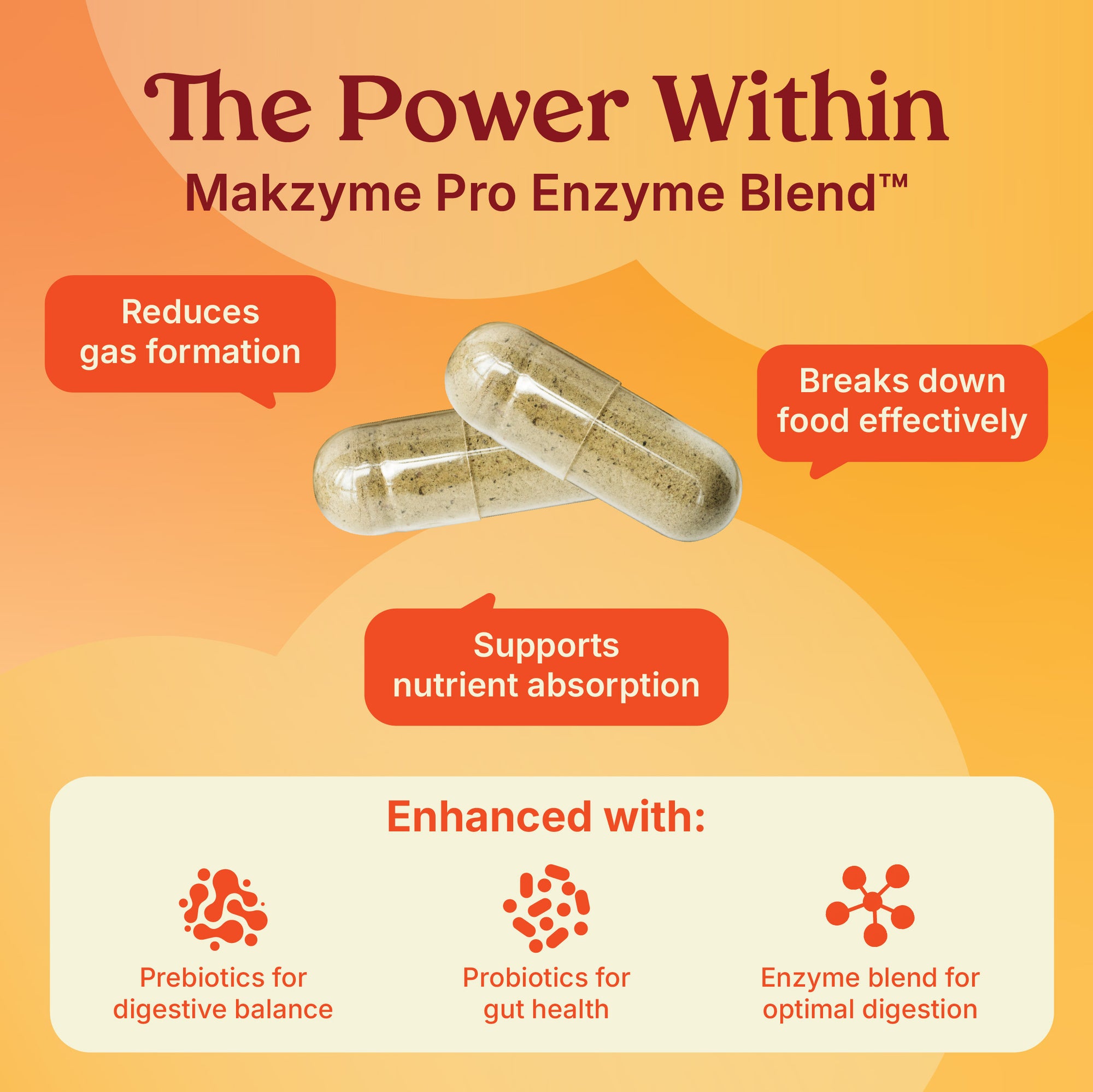 Debloat Me - Digestive Enzyme Capsules
Regular price $19.97Unit price per