Fiber supplements for Soluble
Both fibers, one formula, real results
Soluble and insoluble fiber working together, from non-GMO, gluten-free ingredients that actually move the needle.
Find the fiber supplement that finally gets the job done
Shop the full fiber supplement lineup and find the format that fits your routine.
One fiber type alone is leaving work on the table
Most fiber supplements you've tried before probably relied on a single fiber source. The problem is that soluble and insoluble fiber do completely different jobs inside your gut, and you need both. Soluble fiber, like psyllium husk and pectin, absorbs water and forms a soft gel that slows transit and softens stool. Insoluble fiber adds physical bulk and speeds movement through the colon. Together, they create what single-fiber products can't: a smooth, complete transit that doesn't leave you bloated, cramping, or waiting three days for results. The Champion Formula is built around this dual-fiber principle from the ground up.
Psyllium and pectin are the fibers research actually backs
Not all fiber sources perform equally. In a 2022 review of 16 trials, psyllium and pectin were the specific fibers shown to have significant effects on constipation, mostly at doses above 10 grams per day. Psyllium husk is roughly 70% soluble fiber and 30% insoluble fiber, making it one of the most naturally balanced single-ingredient options available. One serving of the Ultra Fiber Cereal delivers about 22g of fiber, clearing that 10g research threshold in a single bowl. The ACV Gummies use a pectin base, the other fiber with documented effects, so every format in the lineup is built on ingredients with a real track record.
Short ingredient lists, no gritty surprises
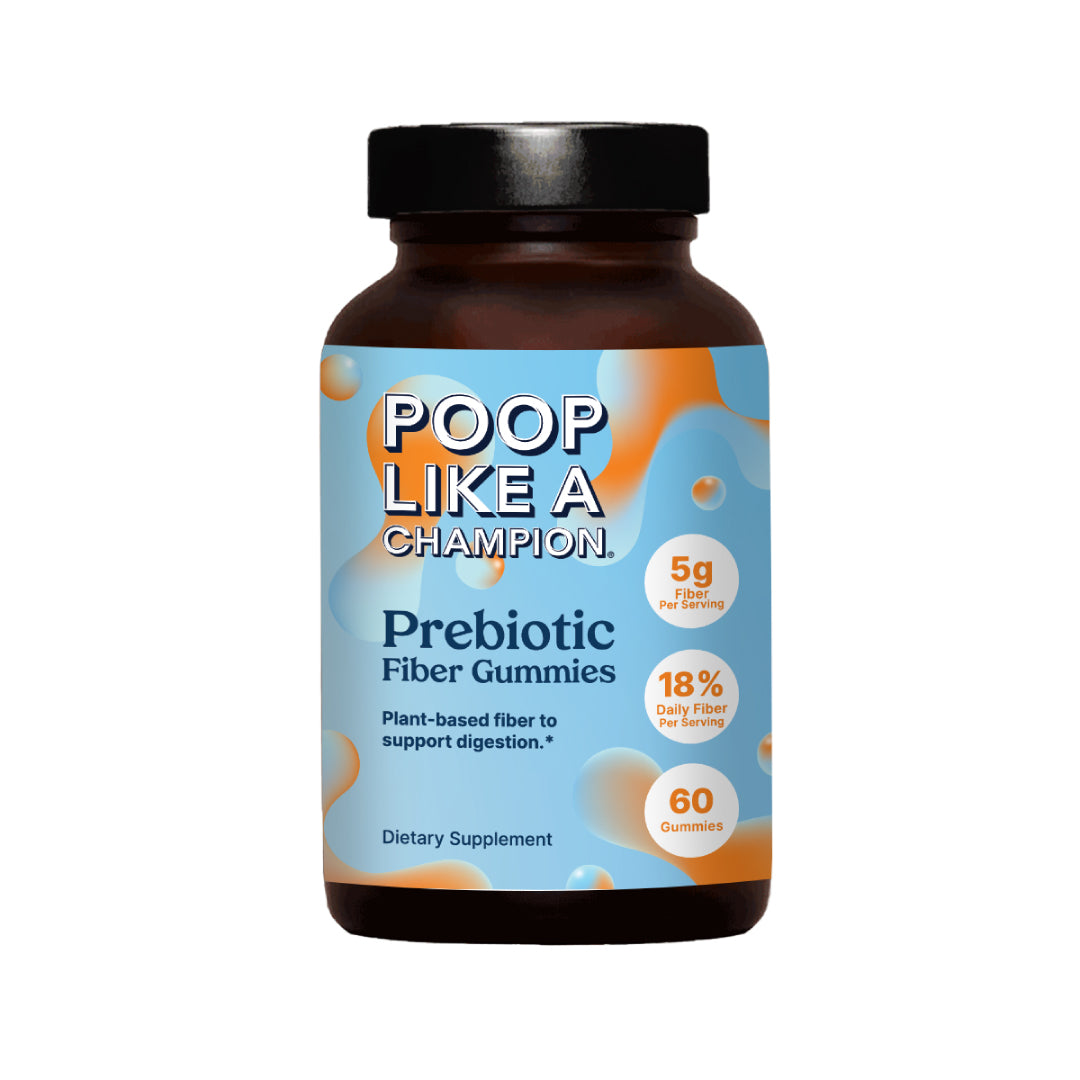
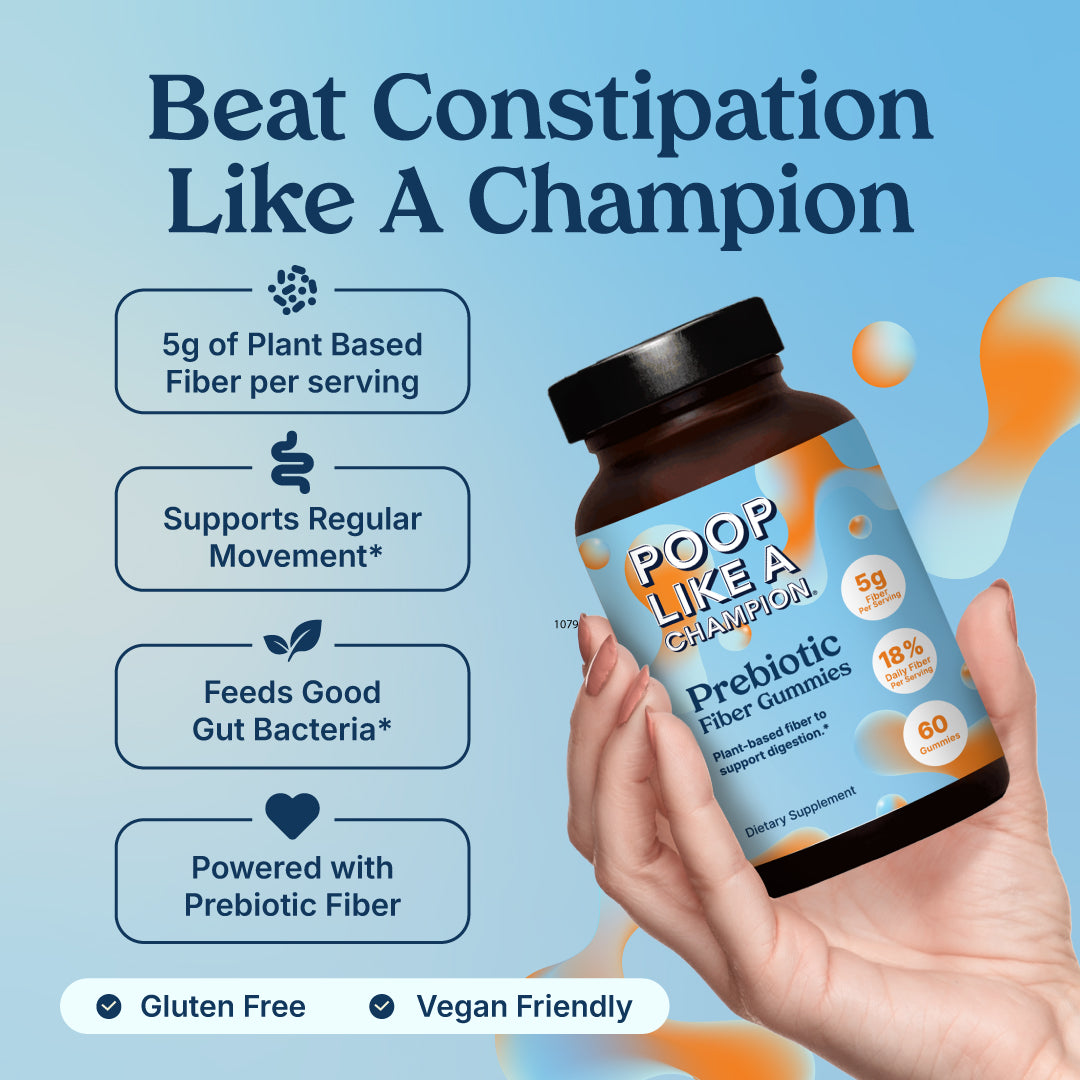
The texture and taste complaints that follow most fiber supplements usually trace back to fillers, artificial binders, or poorly processed psyllium. Poop Like A Champion keeps labels short and transparent: non-GMO ingredients, gluten-free formulas, and no additives designed to mask what's inside. The cereal comes in four flavors (Original, Cinnamon Toast, Honey, and Cocoa) because a supplement you actually enjoy eating is one you'll take every day. The gummies are vegan and pectin-based, not gelatin, so they're genuinely smooth. Real fiber, readable labels, no unpleasant surprises on the first spoonful or the morning after.
The matrix that was too large to execute manually becomes something that runs: going from three days between movements to daily regularity isn't luck, it's what happens when you finally give your gut both fibers it was asking for.
Soluble fiber is the unsung workhorse of digestive health, and it sits at the center of everything Poop Like A Champion makes. From the psyllium husk in the Ultra Fiber Cereal to the pectin base in the ACV Gummies, every product in the lineup leans on the science of soluble fiber working alongside insoluble fiber to keep things moving. This page is for the shopper who already knows they need fiber supplements and wants to understand exactly why this formula is different from the chalky, bloat-inducing options they've already tried.
- Only about 5% of American adults meet the recommended daily fiber intake of 25 to 38 grams.
- The average American consumes only about 15 grams of daily fiber, well below recommended levels.
- Psyllium husk is approximately 70% soluble fiber and 30% insoluble fiber.
- In a 2022 review of 16 trials, 66% of adults with constipation improved on fiber versus 41% on placebo.
Benefits
22g of fiber in one serving
The Ultra Fiber Cereal delivers about 22g of fiber per serving, combining psyllium husk with both soluble and insoluble fiber sources. That's a meaningful dose in a single bowl, not a trickle you have to stack supplements to reach.
Soluble plus insoluble, every time
Every product in the lineup is formulated around the dual-fiber principle: soluble fiber softens and gels, insoluble fiber adds bulk and speed. That combination addresses the full transit process, not just one part of it.
Non-GMO and gluten-free throughout
From the cereal to the gummies to the tea, every product is non-GMO and gluten-free. Short, transparent labels mean you know exactly what you're putting in your body, with nothing hidden behind a proprietary blend.
A format for every part of your day
Morning bowl, midday gummy, or bedtime tea: there's a fiber supplement format for every routine. No single point of failure means missing breakfast doesn't mean missing your fiber for the day.
Gentle support, not a harsh laxative
The fiber-first approach works with your gut's natural rhythm rather than overriding it. The Super Senna Tea is there for nights when you need a little extra help, but the daily products are designed for consistent, gentle regularity, not emergency intervention.
Who's winning with fiber supplements
Busy parent fitting fiber into the breakfast rush
A parent of two with no time for elaborate wellness routines sprinkles the Ultra Fiber Cereal over yogurt every morning. It takes about 30 seconds and delivers roughly 22g of fiber before the school run starts. Before switching, the routine was irregular at best, with three or four days between bowel movements being normal. Within two weeks of daily use, mornings started moving a lot more smoothly, in every sense.
On-the-go professional keeping gummies in their bag
Someone who travels for work or spends long days away from home can't always control what they eat. Keeping the Apple Cider Vinegar Super Fiber Gummies in a bag means 6g of soluble pectin-based fiber and 1,000mg of ACV are always within reach, no powder, no mixing, no chalky aftertaste. It's the kind of fiber habit that actually survives a Monday that goes sideways.
Low-carb eater closing the fiber gap
Low-carb and ketogenic diets cut out most of the foods that traditionally deliver fiber, and the average American is already only getting around 15 grams of daily fiber against a recommended 25 to 38 grams. A low-carb eater who adds the Ultra Fiber Cereal (gluten-free, designed to work with restricted-carb routines) closes that gap without abandoning their dietary approach. The result is regularity that the diet alone couldn't deliver.
Common questions about soluble fiber supplements
Will these fiber supplements cause bloating or cramping?
Bloating is usually the result of introducing too much fiber too fast, not fiber itself. The standard advice is to start with a smaller amount and increase gradually over one to two weeks while drinking plenty of water. Psyllium husk and pectin, the primary fibers in these products, are among the best-studied for tolerability, and the gel-forming action of soluble fiber is specifically associated with smoother transit rather than the gassiness that comes from fermentable fibers.
How is this different from a plain psyllium husk powder?
Plain psyllium powder is a single-fiber source in an unflavored, often gritty format. Poop Like A Champion products combine psyllium husk with both soluble and insoluble fiber sources to cover the full transit process, and they come in formats you'll actually want to use daily: four cereal flavors, vegan pectin-based gummies, and a soothing senna tea. The dual-fiber approach is the functional difference; the taste and texture are the compliance difference.
How long until I see results?
For psyllium-based products, research suggests most people notice a change within 12 to 72 hours, with the majority seeing results within two to three days of consistent use. Long-term regularity, the kind where you stop tracking days between movements, typically builds over two to four weeks of daily fiber intake at or above 10 grams per day.
Is it safe to use these products every day long-term?
Dietary fiber from food and food-based supplements is considered appropriate for daily, long-term use as part of a healthy diet. The products are formulated with non-GMO, gluten-free ingredients and no harsh stimulant laxatives in the daily lineup (the Senna Tea is a separate, occasional-use option). As with any change to your health routine, if you have a specific medical condition or take medications, it's worth checking with your doctor before starting.
What makes soluble fiber specifically important for constipation?
Soluble fiber absorbs water in the gut and forms a soft, slippery gel that makes stool easier to pass without straining. In a 2022 review of 16 trials, psyllium and pectin were the two fiber types with significant, documented effects on constipation, and psyllium husk is naturally about 70% soluble fiber, making it one of the most effective single-ingredient options. Pairing it with insoluble fiber adds bulk and speeds transit, which is why the combined approach in these products outperforms single-fiber supplements.
Stop settling for fiber supplements that half-work
The soluble-insoluble combo is in every product Poop Like A Champion makes, from the morning cereal bowl to the bedtime tea. Pick the format that fits your day and give your gut the full picture it's been missing.


High-Fiber Wonders to Get Your Gut Going

 Cinnamon Toast Ultra Fiber Cereal
Regular priceUnit price per$41.91Sale price $18.97+
 Original Ultra Fiber Cereal
Regular priceUnit price per$41.91Sale price $20.97+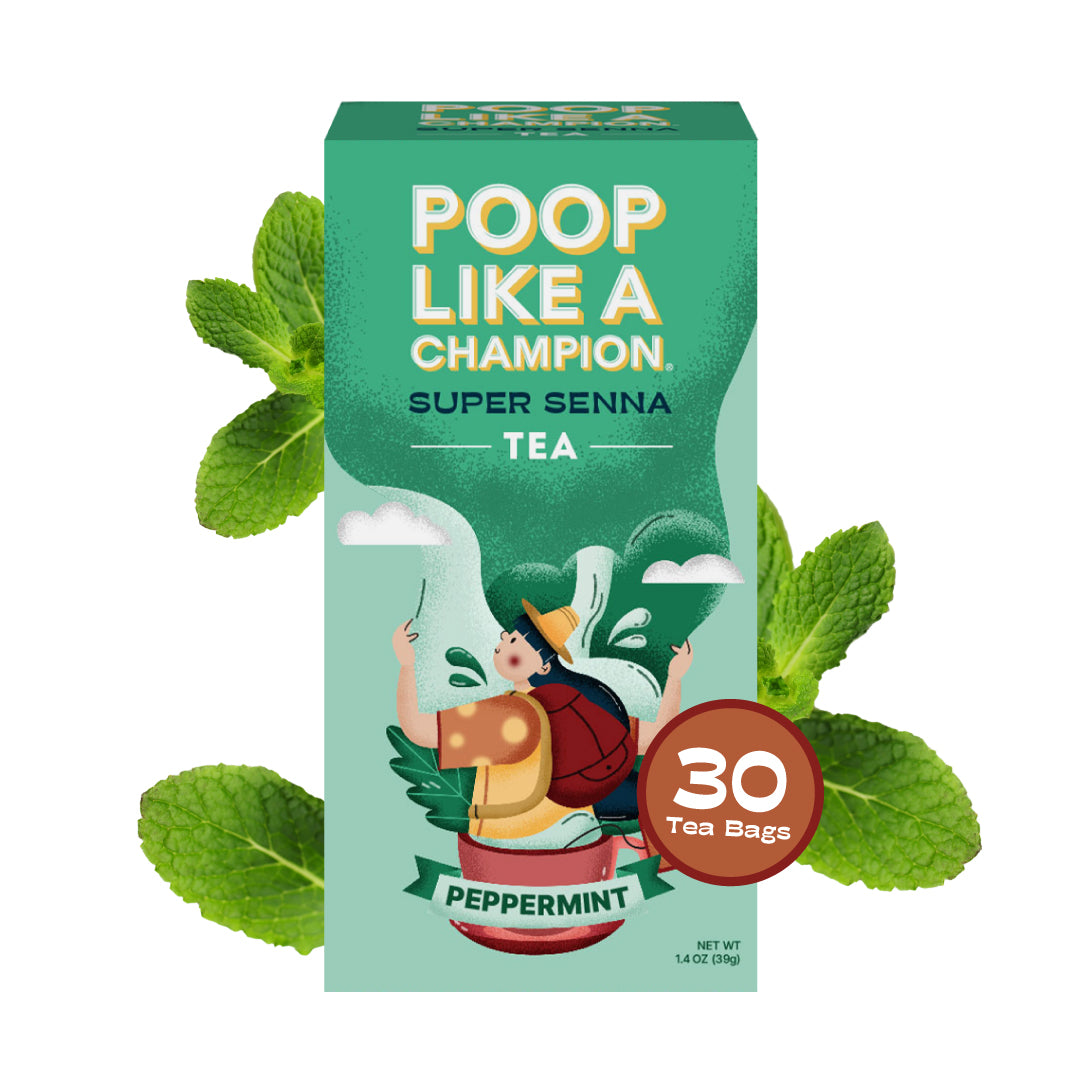

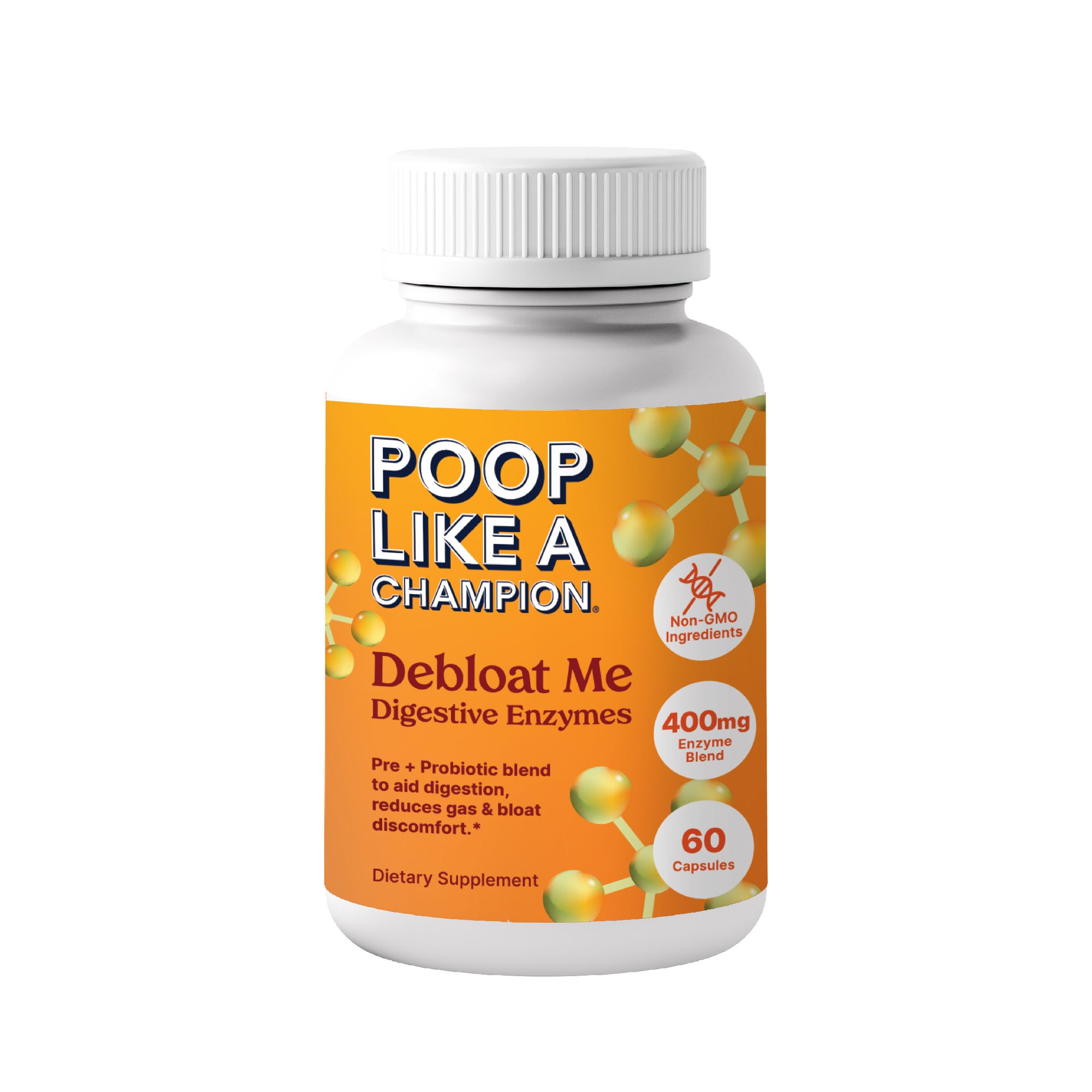
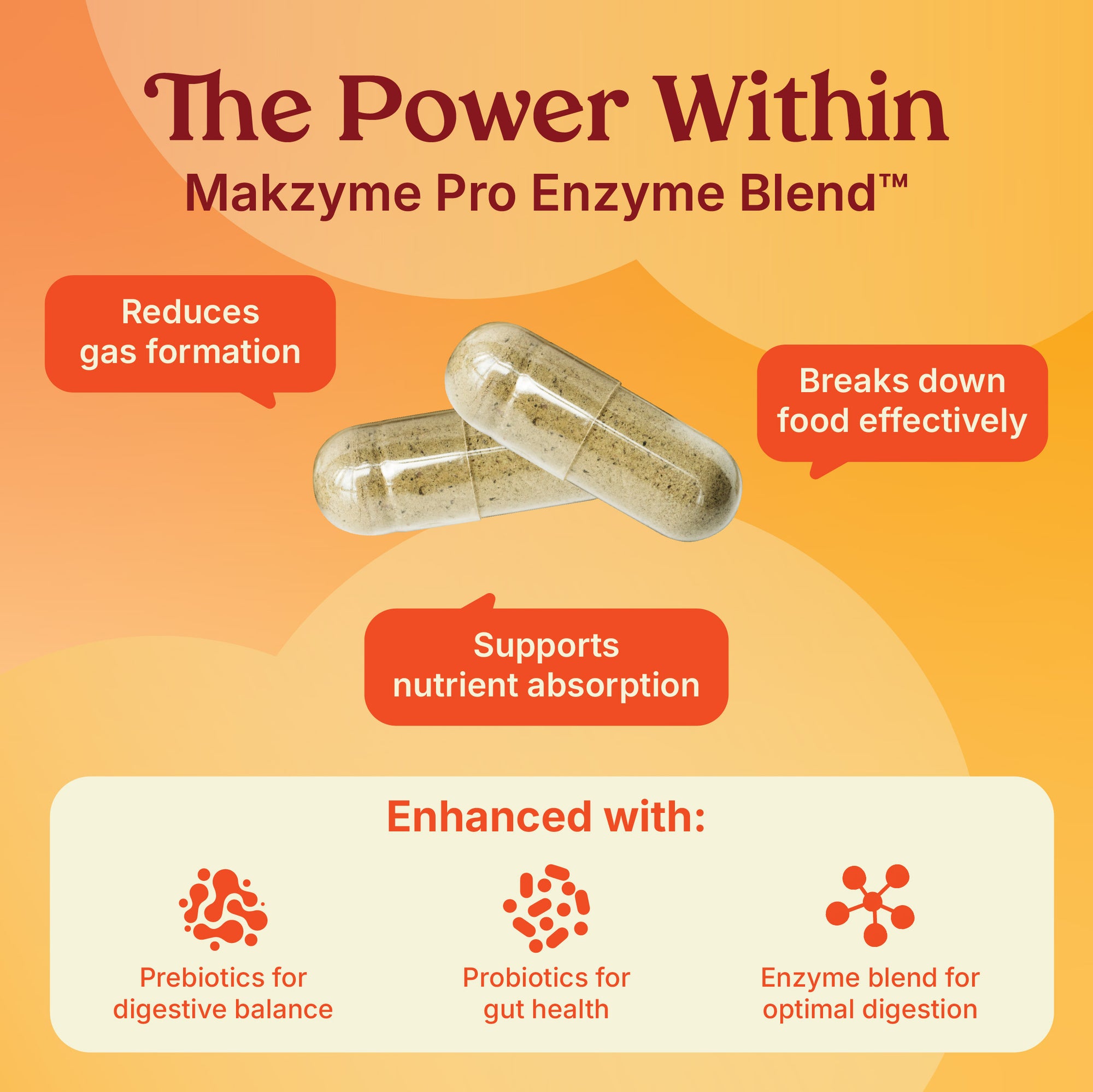 Debloat Me - Digestive Enzyme Capsules
Regular price $19.97Unit price per