How a High Fiber Diet Helps Relieve Constipation
Fiber's secret: how it actually gets things moving again
A plain-language guide to how a high fiber diet helps relieve constipation, with a practical ramp-up plan.
Get the full picture on fiber and constipation relief
Discover how the right fiber foods can soften stool, speed transit, and get your gut back on schedule.
Why constipation happens and why fiber fixes it
Constipation usually comes down to one thing: stool that moves too slowly and loses too much water along the way, leaving it hard, dry, and difficult to pass. The colon is constantly absorbing water from waste, so the longer stool sits there, the drier it gets.
Dietary fiber changes that equation on two fronts. It adds physical bulk that gives the intestinal muscles something to grip and push against, and it retains moisture that keeps stool soft enough to move. The result is a more comfortable, more predictable trip through your digestive tract. No harsh stimulants, no dependency, just the mechanical and chemical effect of eating more plants. That's why fiber is consistently the first dietary recommendation for people dealing with occasional irregularity.
Soluble vs insoluble fiber: two tools, one goal
Not all fiber does the same job, and understanding the difference is what separates a vague "eat more fiber" tip from a plan that actually works.
Soluble fiber dissolves in water and forms a gel inside your digestive tract. That gel softens stool and slows digestion just enough to allow proper water absorption. Good sources include oats, apples, bananas, citrus fruits, beans, barley, avocado, and psyllium husk.
Insoluble fiber does not dissolve. It passes through largely intact, adding bulk to stool and speeding transit through the colon. Some research suggests insoluble fiber may act faster for constipation relief precisely because it is not broken down. Good sources include whole grains, most vegetables, wheat bran, nuts, legumes, and the skins of fruits and vegetables.
Most whole foods contain both types, so eating a varied, plant-rich diet naturally covers both bases.
How much fiber adults actually need each day
Most adults in the US eat around 20 grams of fiber per day, which falls short of recommended targets. General guidance from US health authorities puts the daily target at roughly 25 to 38 grams, with variation by age and sex. Women up to age 50 are typically advised to aim for 25 grams; men up to 50 should aim for 38 grams. After 50, those targets drop to around 21 grams for women and 30 grams for men.
The FDA references 28 grams of dietary fiber as a daily benchmark based on a 2,000-calorie diet. If you're currently far below these numbers, the gap is real, but it's also very closeable with a few consistent food swaps.
The one mistake that makes fiber backfire
Fiber is not a "more is better immediately" situation. When people try to close a 15-gram daily gap overnight, the gut often pushes back with bloating, gas, cramps, or paradoxically, more constipation. A rapid jump in fiber is a shock to your system, and the digestive bacteria that process fiber need time to adapt.
The other common culprit is not drinking enough water. Fiber binds with water to do its job; without adequate fluid, it can actually make stool harder rather than softer. Adding fiber too fast, without enough fluid, or with a type that doesn't agree with you are the three most common reasons fiber seems to make things worse instead of better. The fix is simple: go slow, drink up, and give your gut a few weeks to adjust.
A well-fed gut is a well-moving gut: regularity isn't luck, it's the predictable result of giving your body the fiber it was always designed to use.
Your practical fiber ramp-up plan
-
Start with a high-fiber breakfast
Breakfast is the easiest place to stack fiber because the options are familiar and convenient. Swap a low-fiber cereal for a high-fiber alternative, stir oats with sliced banana, or add beans to eggs. Adding 8 to 10 grams at breakfast alone gets you a meaningful portion of your daily target before the day even starts. A cereal built around psyllium husk and whole grains, like the kind we make, can do a lot of that heavy lifting in one bowl.
-
Add no more than 5 grams of new fiber per week
The golden rule of increasing fiber is patience. Add roughly 5 grams of new fiber per week rather than overhauling your diet overnight. This gives your gut bacteria time to adapt and dramatically reduces the risk of bloating or cramps. Track your intake loosely for the first couple of weeks using a food label or app, just until the new habits feel automatic. If you want to explore supplement options alongside food, see our guide to the best fiber supplements for constipation.
-
Drink more water as fiber goes up
Every increase in fiber should come with an increase in fluids. Fiber binds with water to form the bulk and gel that make it effective; without enough fluid, that same fiber can harden stool instead of softening it. Drink an extra 8 to 16 ounces of water for every meaningful fiber increase, and aim for around eight glasses of water per day as a general baseline. Herbal teas count toward your fluid intake and can add a soothing evening routine to your gut-health habits.
-
Build in a fiber-friendly evening routine
The gut does a lot of its work overnight, so an evening routine that supports digestion can pay off by morning. A warm cup of tea before bed, a small handful of nuts, or a fiber gummy with a glass of water are all easy ways to close the fiber gap at the end of the day without a heavy meal. If you occasionally need a little extra help, a gentle senna tea can support overnight movement. Learn more about safe senna tea habits before making it a nightly ritual.
Benefits
Softer, easier-to-pass stool
Soluble fiber forms a water-retaining gel that keeps stool moist and pliable, reducing the straining and discomfort that come with hard, dry waste.
Steadier blood-sugar levels
The gel formed by soluble fiber slows the absorption of sugar into the bloodstream, which helps smooth out post-meal blood-sugar spikes and supports more consistent energy throughout the day.
A healthier gut microbiome
Many dietary fibers act as prebiotics, feeding the beneficial bacteria in your colon. A well-fed microbiome is linked to better digestion, stronger immunity, and reduced gut inflammation.
Longer-lasting fullness
High-fiber foods take longer to digest and add volume to meals without adding significant calories, helping you feel satisfied for longer and reducing the urge to snack between meals.
Long-term colon health support
Regular transit through the colon means waste and its byproducts spend less time in contact with the intestinal lining. Consistent fiber intake is associated with a lower risk of digestive issues developing over time.
How a high fiber diet helps relieve constipation: your questions answered
Can too much fiber actually make constipation worse?
Yes, and it happens more often than people expect. Adding fiber too quickly, without enough water, or with a type that doesn't suit your gut are the three most common reasons fiber backfires. A sudden large increase can cause bloating, gas, and cramps, or even worsen constipation temporarily. The fix is to increase intake gradually over two to four weeks and to drink more water alongside every fiber increase.
How long does it take for more fiber to relieve constipation?
Most people notice a difference within a few days to a week of consistently increasing fiber intake, though this varies by individual and by how much of a change they are making. Insoluble fiber tends to act more quickly because it passes through the digestive tract largely intact and adds bulk right away. Sticking with the change for two to four weeks gives your gut time to fully adapt and produce consistent results.
Is a fiber supplement as effective as getting fiber from whole foods?
Fiber supplements, particularly those based on psyllium husk, are well-supported for relieving constipation and can be a practical way to close the gap between what you eat and what you need. Whole foods have the advantage of delivering a mix of soluble and insoluble fiber alongside vitamins, minerals, and prebiotics. Ideally, supplements work best as a complement to a fiber-rich diet rather than a replacement for it. For a detailed comparison of supplement types, see our guide to fiber supplements for constipation.
Do I really need to drink more water when I increase fiber?
Absolutely. Fiber needs water to do its job: soluble fiber forms its stool-softening gel by absorbing water, and insoluble fiber needs fluid to move smoothly through the colon. Without adequate hydration, increased fiber can make stool harder rather than softer, which is the opposite of what you want. A practical guide is to drink an extra 8 to 16 ounces of water for each meaningful increase in daily fiber.
Is fiber safe for everyone dealing with constipation?
For most healthy adults, gradually increasing dietary fiber is a safe and well-supported first step for managing occasional constipation. However, some digestive conditions can make high fiber intake less appropriate, and a sudden large increase is not advisable for anyone. If your constipation is severe, persistent, or accompanied by pain, bleeding, or unexplained weight loss, it is important to speak with a healthcare provider rather than relying on dietary changes alone.
Ready to build a gut routine that actually works
A high-fiber diet is one of the most practical, well-supported tools for keeping your digestive system on track. Whether you start with a fiber-packed breakfast cereal, add a daily gummy, or wind down with a soothing tea, small consistent changes add up fast. Browse our range and find the products that fit your routine.


High-Fiber Wonders to Get Your Gut Going

 Cinnamon Toast Ultra Fiber Cereal
Regular priceUnit price per$41.91Sale price $18.97+
 Original Ultra Fiber Cereal
Regular priceUnit price per$41.91Sale price $20.97+


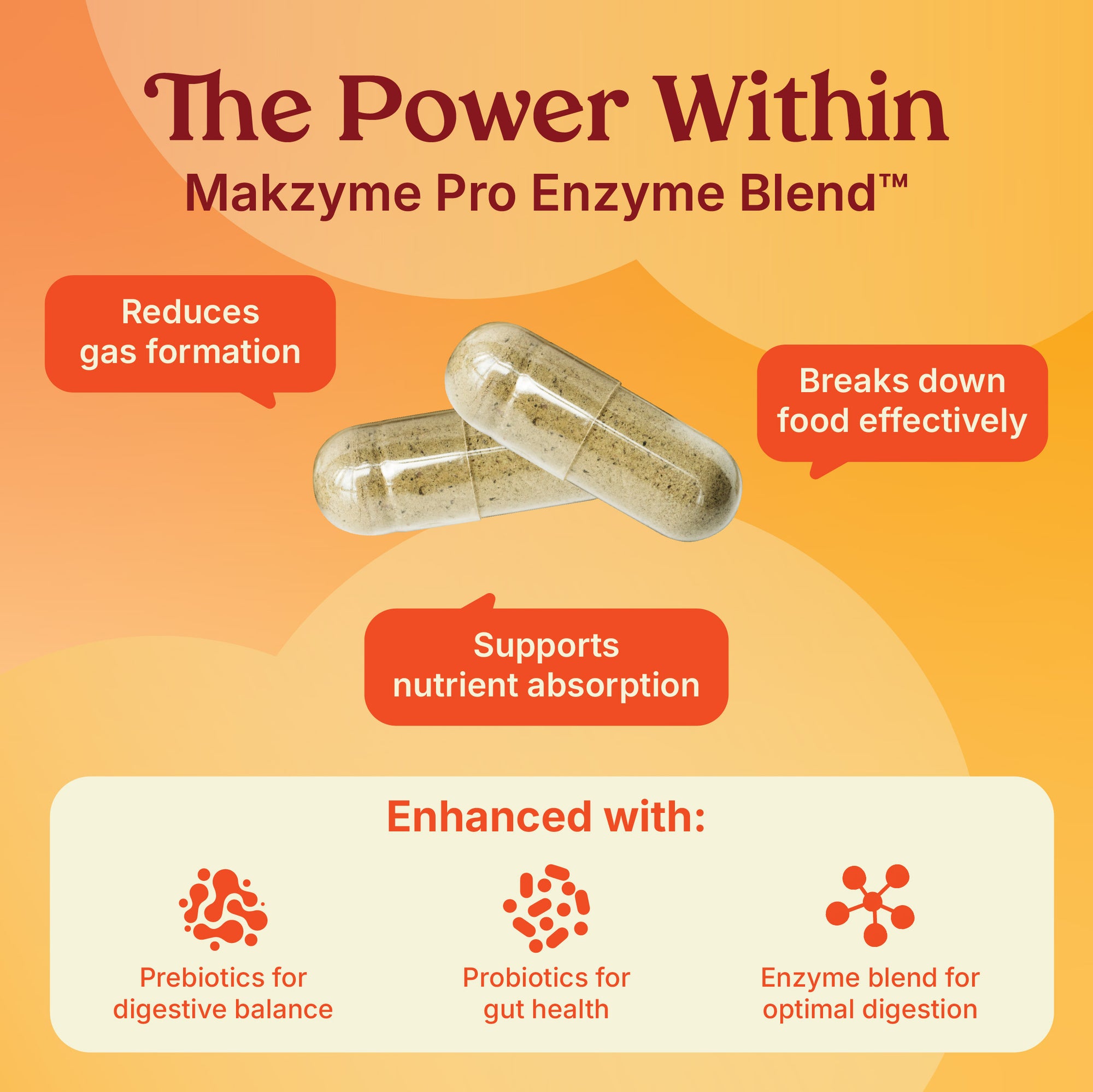 Debloat Me - Digestive Enzyme Capsules
Regular price $19.97Unit price per