What Is Prebiotic Fiber and How Does It Support Gut Health?
Prebiotic fiber: the gut health upgrade your bacteria have been waiting for
Understand what prebiotic fiber does, why it differs from probiotics, and how to get more of it every day.
Feed your gut bacteria the right way
Shop fiber products built around the good stuff your gut bacteria actually need.
What prebiotic fiber is and how it differs from probiotics
Prebiotic fiber is a type of carbohydrate your body cannot digest. Instead of being broken down in the stomach or small intestine, it travels intact to the colon, where your gut bacteria are waiting to feast on it. The formal definition captures this neatly: a prebiotic is "a substrate that is selectively utilized by host microorganisms conferring a health benefit". Three criteria have to be met: resistance to gastric acidity and digestive enzymes, fermentability by intestinal microflora, and selective stimulation of beneficial bacteria.
Probiotics are something different. They are live microorganisms, typically specific strains of bacteria or yeasts, added to the gut from outside through fermented foods or supplements. Prebiotics do not add new bacteria; they feed the ones already living in your colon, particularly strains like Bifidobacterium and Lactobacillus that are associated with digestive and immune health. Think of probiotics as the players and prebiotics as the training fuel that keeps them performing.
How gut bacteria ferment prebiotic fiber and why it matters
When prebiotic fiber reaches the colon, beneficial bacteria ferment it, producing short-chain fatty acids (SCFAs) such as butyrate, acetate, and propionate. Butyrate is particularly important: it serves as the primary energy source for the cells lining the colon wall, supporting the integrity of the gut barrier. A healthier gut lining means fewer unwanted substances slipping into the bloodstream, which is one reason prebiotic fiber is linked to reduced systemic inflammation.
FOS (fructooligosaccharides) have a shorter chain length than inulin and ferment more rapidly, which supports butyrate production in colonocytes but can produce more pronounced gas in sensitive individuals who introduce them too quickly. This is exactly why fiber experts recommend building intake gradually and drinking plenty of water alongside any increase. The fermentation process also selectively promotes the growth of Bifidobacterium, Lactobacillus, and Faecalibacterium prausnitzii, three bacterial groups consistently associated with a healthy, balanced microbiome.
The best food sources and key prebiotic compounds
Three compounds do most of the heavy lifting in the prebiotic world: inulin, fructooligosaccharides (FOS), and beta-glucan. Inulin and FOS occur naturally in chicory root, garlic, onions, leeks, asparagus, Jerusalem artichoke, bananas, and wheat. Chicory root is one of the most concentrated sources, containing roughly 36 to 48 grams of inulin per 100 grams (dry weight). Jerusalem artichoke is close behind at 16 to 20 grams per 100 grams, while garlic provides 9 to 16 grams of fructans per 100 grams and onions contribute 2 to 6 grams of FOS per 100 grams.
Beta-glucan is found in oats and barley, and is studied for its role in supporting cholesterol levels alongside its prebiotic activity. Lentils are another underrated option, with 100 grams providing around 13 grams of prebiotic fiber. Pectin, found in fruits, is among the most studied fruit-based prebiotic fibers. For a broader look at fiber-rich foods, see our guide to high-fiber foods and digestive health.
How to realistically add more prebiotic fiber to your routine
The gap between knowing prebiotic fiber is good and actually eating enough of it is where most people get stuck. A practical starting point: add one new prebiotic-rich food per week rather than overhauling your diet overnight. Slice a banana over oatmeal for a double hit of FOS and beta-glucan. Add raw garlic or leeks to salad dressings. Swap refined grains for oats or barley a few times a week.
For days when food sources fall short, prebiotic fiber supplements can help bridge the gap. Inulin-based options, psyllium husk, and high-fiber cereals are common formats. If you are unsure how much fiber your routine currently delivers, our daily fiber intake guide is a useful place to start. And if constipation is the main concern alongside prebiotic support, the comparison of fiber supplements for constipation and regularity breaks down which types work best for which situations. Whatever route you choose, increase intake gradually and keep water intake high.
Your gut bacteria have been working hard for you; prebiotic fiber is how you finally return the favor.
Benefits
Improved bowel regularity
Prebiotic fiber adds bulk and feeds the bacterial activity that keeps the colon moving at a healthy pace. Consistent prebiotic intake is associated with softer, more regular stools and fewer episodes of sluggishness.
Stronger immune function
A large portion of the immune system is housed in the gut, and a well-fed microbiome helps regulate immune responses. Selectively nourishing Bifidobacterium and Lactobacillus supports the microbial environment that immune cells rely on.
Better mineral absorption
Fermentation of prebiotic fiber, particularly inulin and FOS, creates an acidic environment in the colon that improves the absorption of minerals like calcium and magnesium. Enhanced mineral uptake from the same foods you already eat is a meaningful side benefit.
Reduced bloating and inflammation
Short-chain fatty acids produced during fermentation help maintain the gut lining and may reduce low-grade systemic inflammation. Introducing prebiotic fiber gradually minimizes the temporary bloating that some people experience when starting out.
Support for mood and energy
The gut-brain axis connects microbial activity in the colon to signaling pathways that influence mood and energy levels. A diverse, well-nourished microbiome supported by regular prebiotic intake is associated with more stable energy and a better sense of wellbeing.
What is prebiotic fiber? Your real questions answered
What is the difference between prebiotic fiber and probiotics?
Probiotics are live microorganisms (bacteria or yeasts) that you introduce into your gut through food or supplements. Prebiotics are non-digestible carbohydrates that travel to the colon and serve as fuel for the beneficial bacteria already living there. You need both, but they work differently: probiotics add players to the team, while prebiotics keep those players fed and functioning.
Can you get too much prebiotic fiber?
Yes, especially if you increase intake too quickly. Rapid increases in prebiotic fiber can cause gas, bloating, and cramping because the fermentation process produces gases as a byproduct. The solution is to add prebiotic-rich foods or supplements gradually over several weeks and to drink plenty of water. Most healthy adults tolerate higher intakes well once the gut adjusts.
Do prebiotic fiber supplements work as well as whole foods?
Supplements can be effective, particularly for people who struggle to meet their fiber needs through diet alone. Inulin and FOS supplements have been shown in clinical research to selectively promote the growth of Bifidobacteria and Lactobacilli, similar to food sources. That said, whole foods deliver a broader mix of fiber types and additional nutrients that supplements cannot fully replicate, so food-first is generally the better starting point. For a detailed comparison, see our guide to fiber supplements for constipation and regularity.
Is prebiotic fiber safe for children?
Prebiotic fibers found naturally in foods like bananas, oats, and onions are generally considered safe for children as part of a balanced diet. Introducing fiber-rich foods gradually is just as important for children as it is for adults to avoid digestive discomfort. For specific supplement use in children, it is worth checking with a pediatrician or registered dietitian before adding concentrated prebiotic products.
How long does it take to notice results from prebiotic fiber?
Most people begin to notice changes in bowel regularity and digestive comfort within one to four weeks of consistently increasing prebiotic fiber intake, though this varies depending on baseline diet, gut microbiome composition, and how gradually the increase is made. Measurable shifts in the balance of gut bacteria can take longer. Consistency matters more than quantity in the early stages.
Which prebiotic fiber sources are best if you are gluten-free?
Many of the richest prebiotic sources are naturally gluten-free: chicory root, garlic, onions, leeks, bananas, Jerusalem artichoke, and lentils all deliver meaningful amounts of inulin or FOS without any gluten. Oats contain beta-glucan and are technically gluten-free, but cross-contamination is common, so certified gluten-free oats are the safer choice. For a fuller list of gut-friendly options, see our guide to high-fiber foods.
Ready to give your gut bacteria something to celebrate
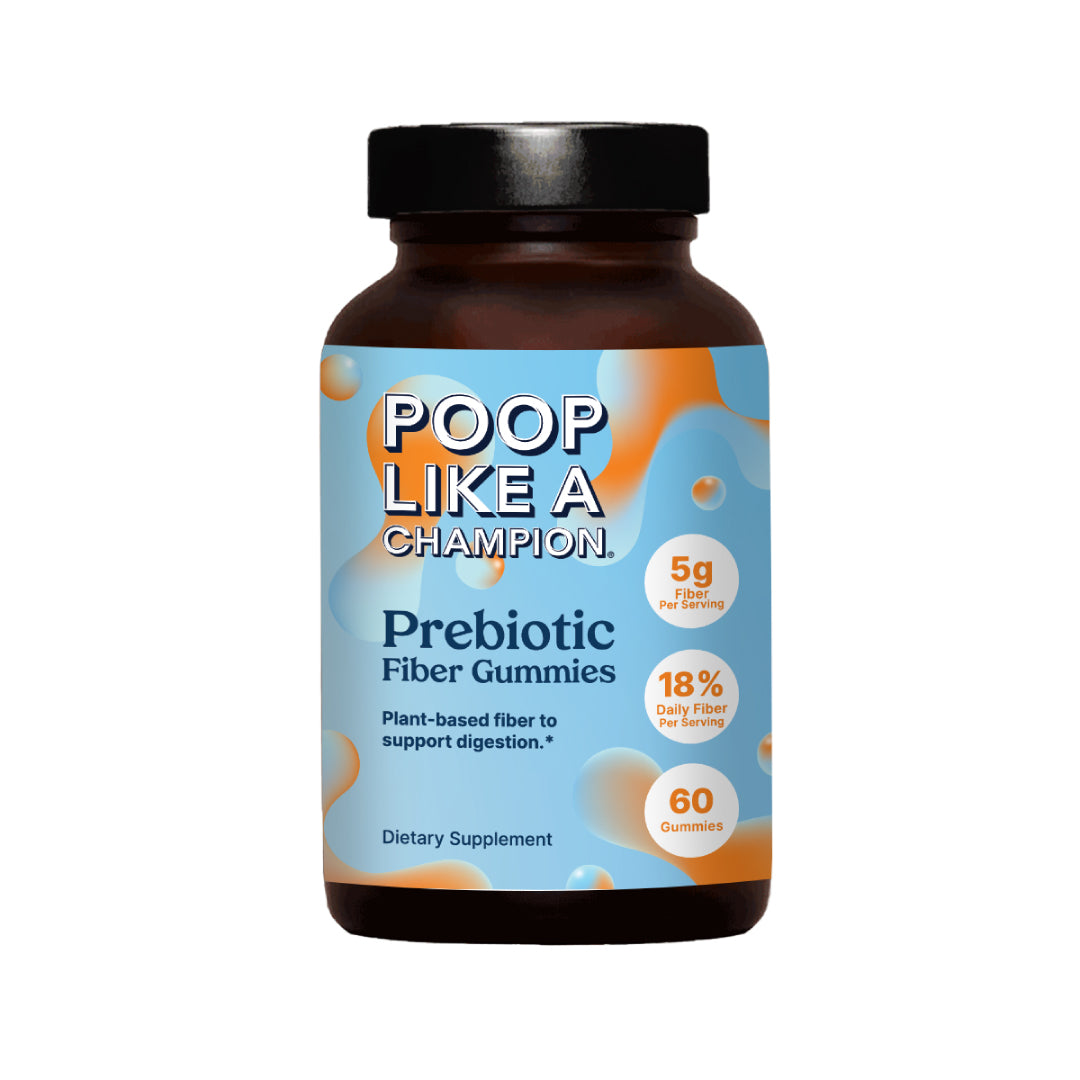
Understanding prebiotic fiber is the first step; getting enough of it every day is where the real gut gains happen. Explore Poop Like a Champion's fiber lineup, from high-fiber cereals to gummies and teas, and find the format that fits your routine.


High-Fiber Wonders to Get Your Gut Going

 Cinnamon Toast Ultra Fiber Cereal
Regular priceUnit price per$41.91Sale price $18.97+
 Original Ultra Fiber Cereal
Regular priceUnit price per$41.91Sale price $20.97+


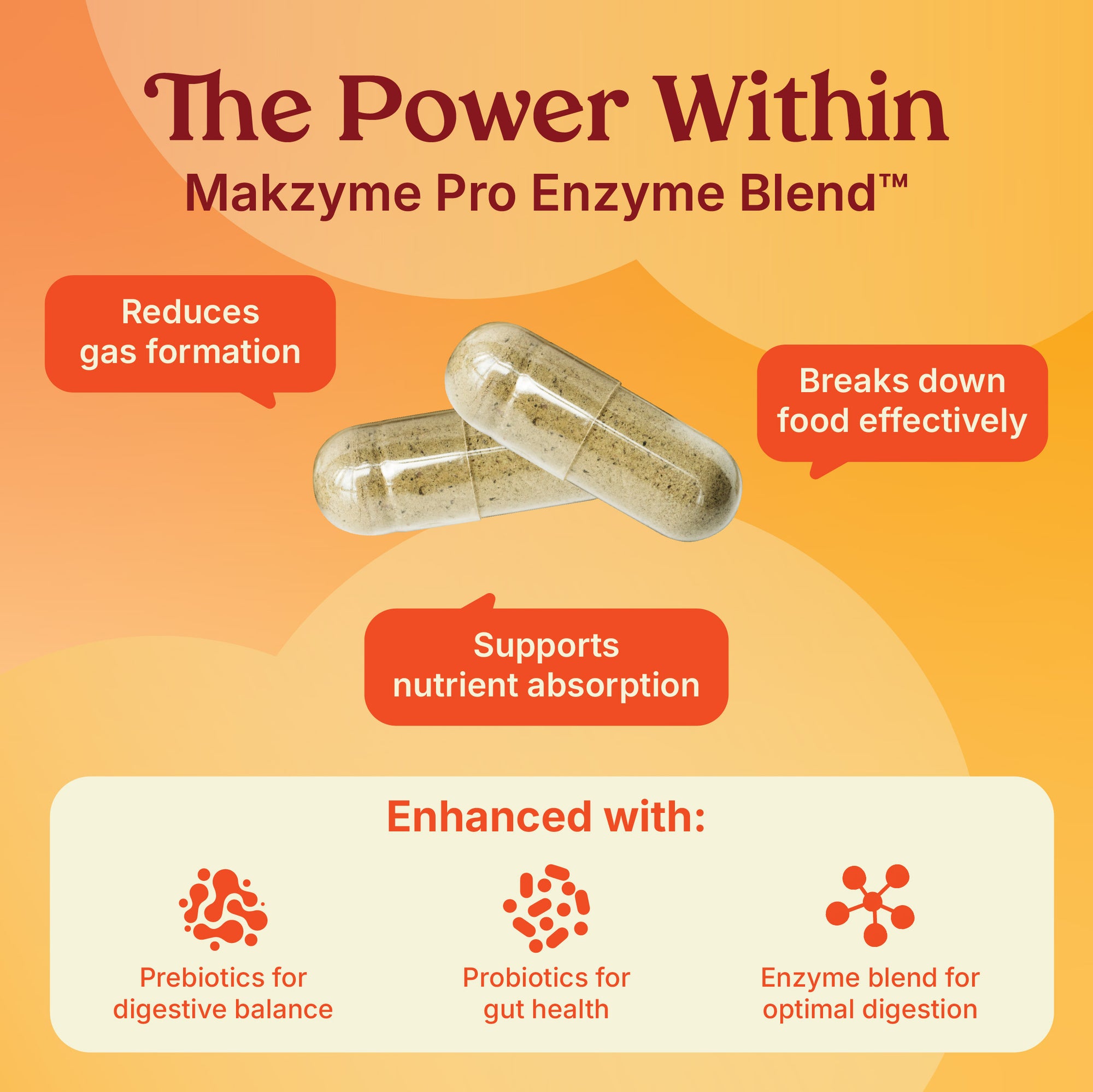 Debloat Me - Digestive Enzyme Capsules
Regular price $19.97Unit price per